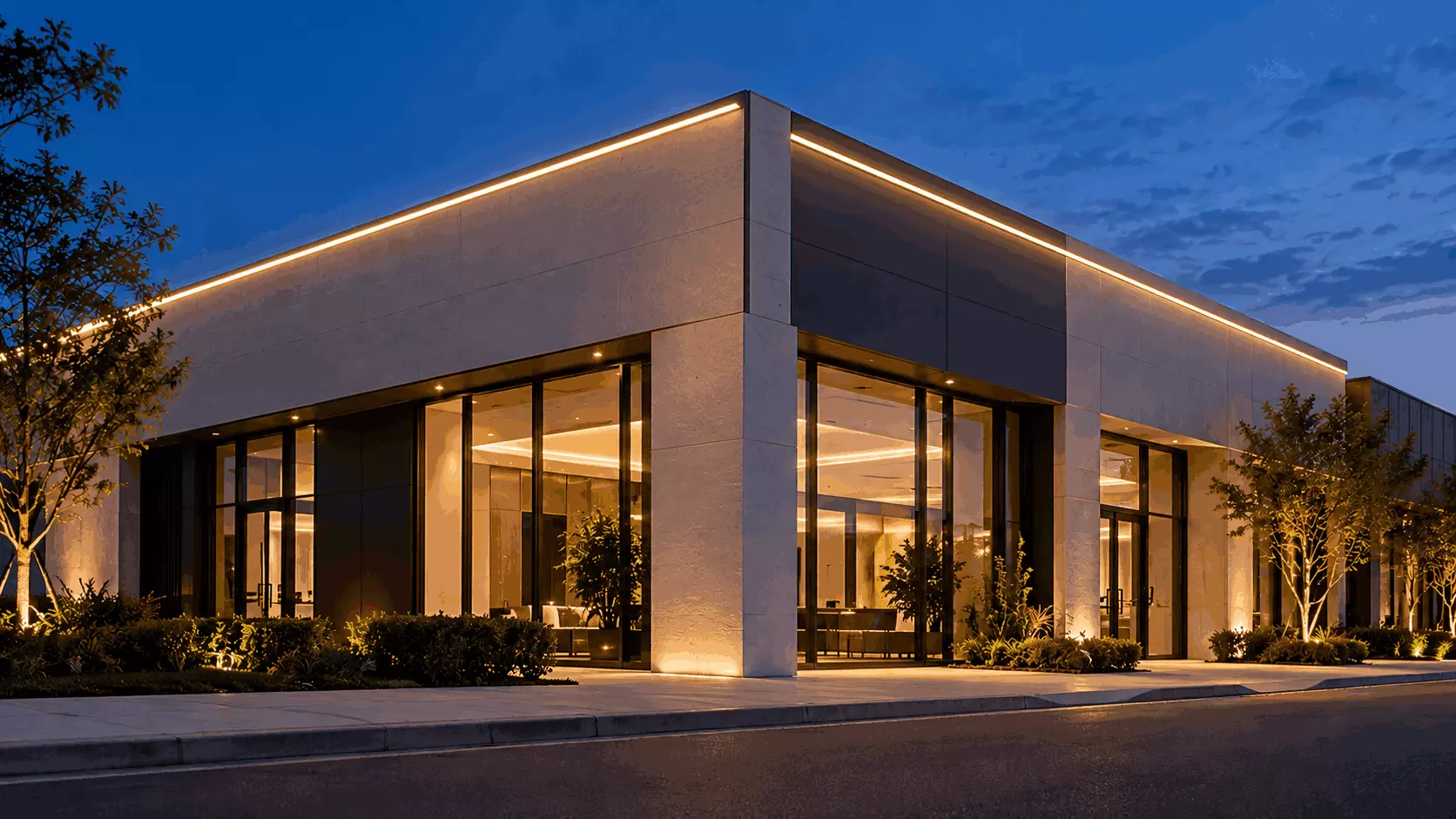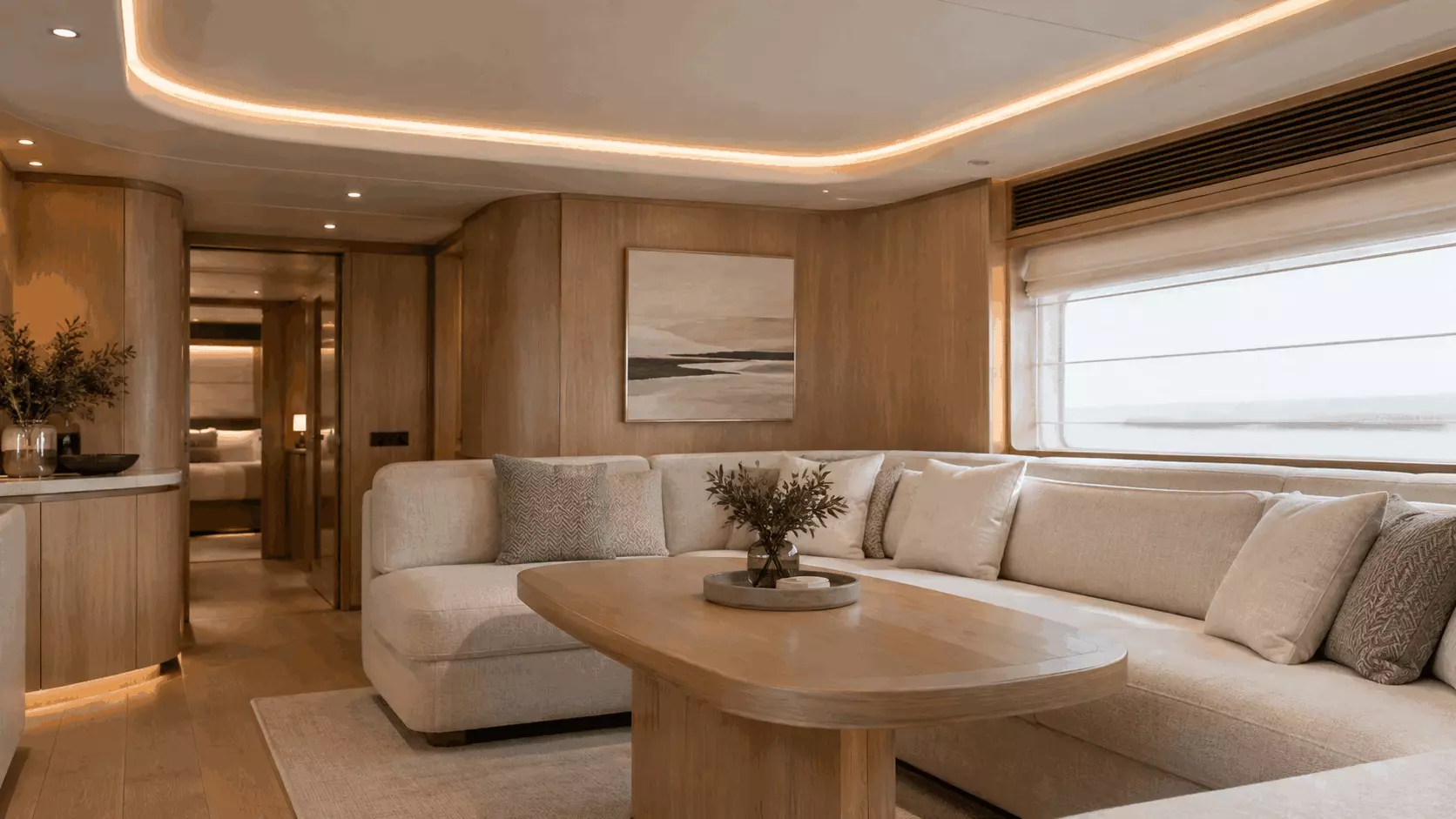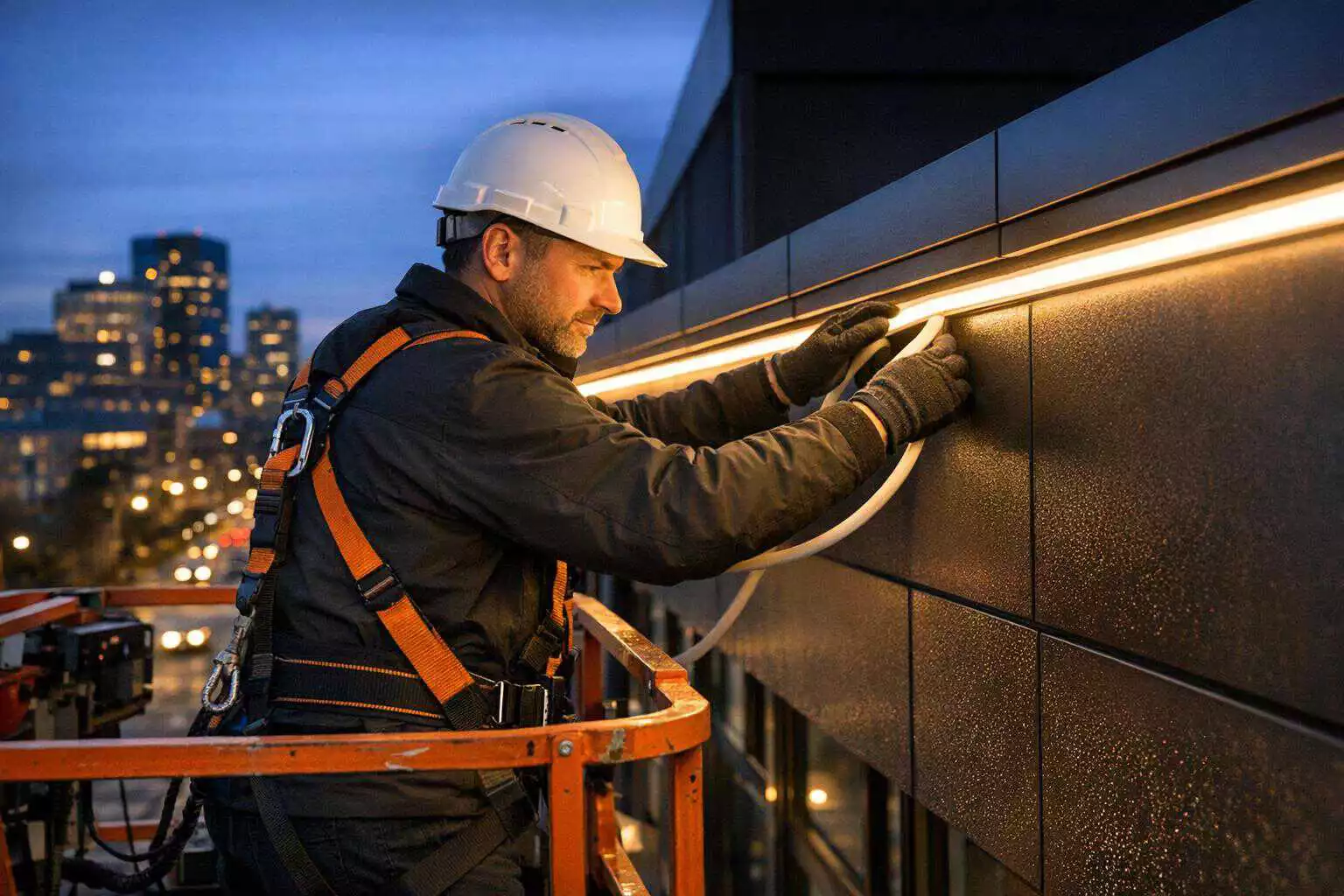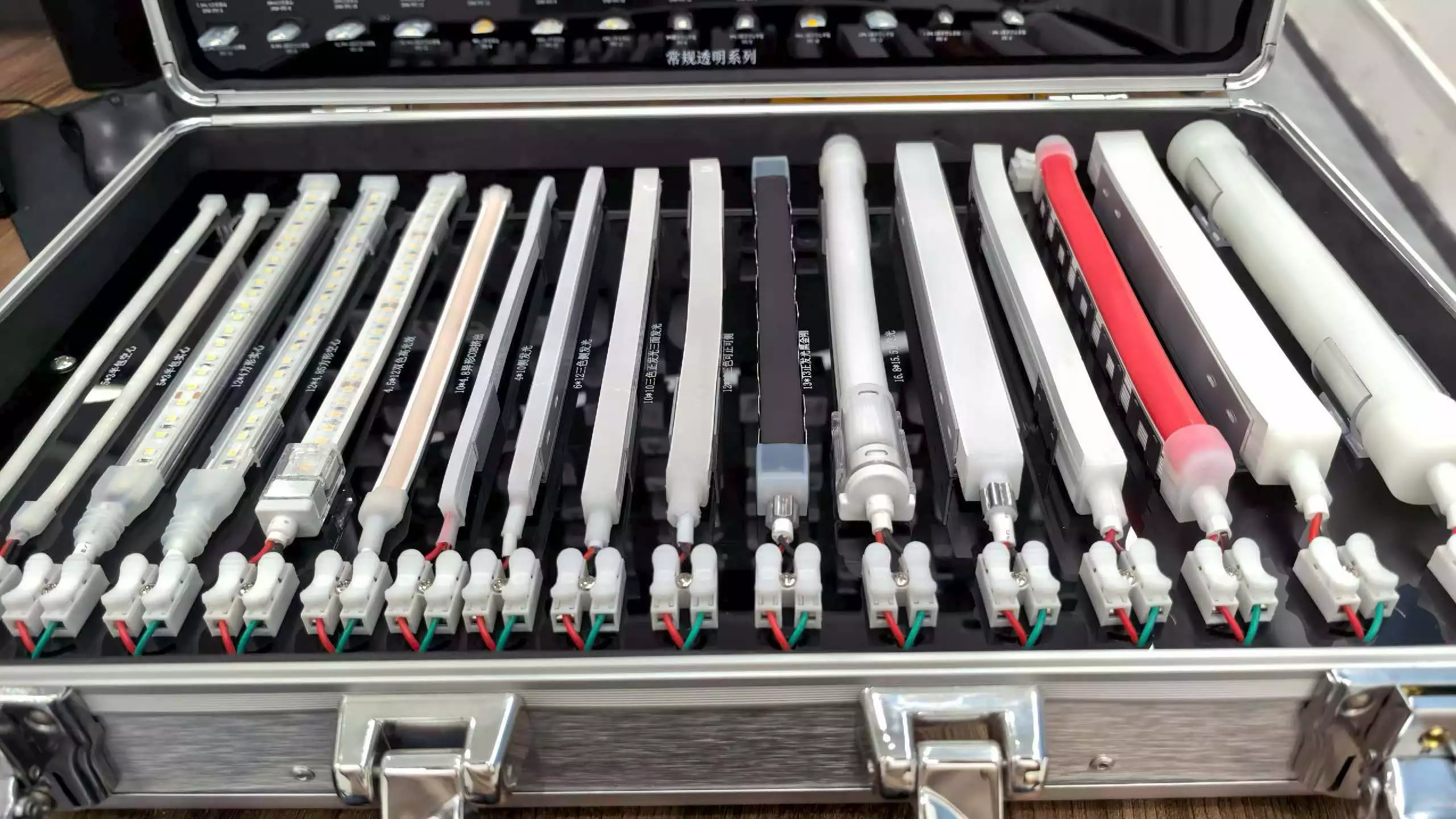

Every few weeks, we receive the same type of inquiry at our factory. A lighting contractor or distributor sends us photos of neon flex led light that turned yellow on an outdoor facade — often within the first 12 months — and asks us how to avoid buying the same problem twice. The material cost is rarely the issue. The real pain is the replacement labor: lifts, night work, and an unhappy end client. That is why we wrote this guide. As a factory that extrudes silicone neon flex every day, we want to explain what genuine anti-yellowing silicone LED neon flex actually is, why so much of what is sold under that name fails outdoors, and how you can verify quality before a container leaves China.
No theory. Just what we see on the production floor, and what we tell our own B2B customers.
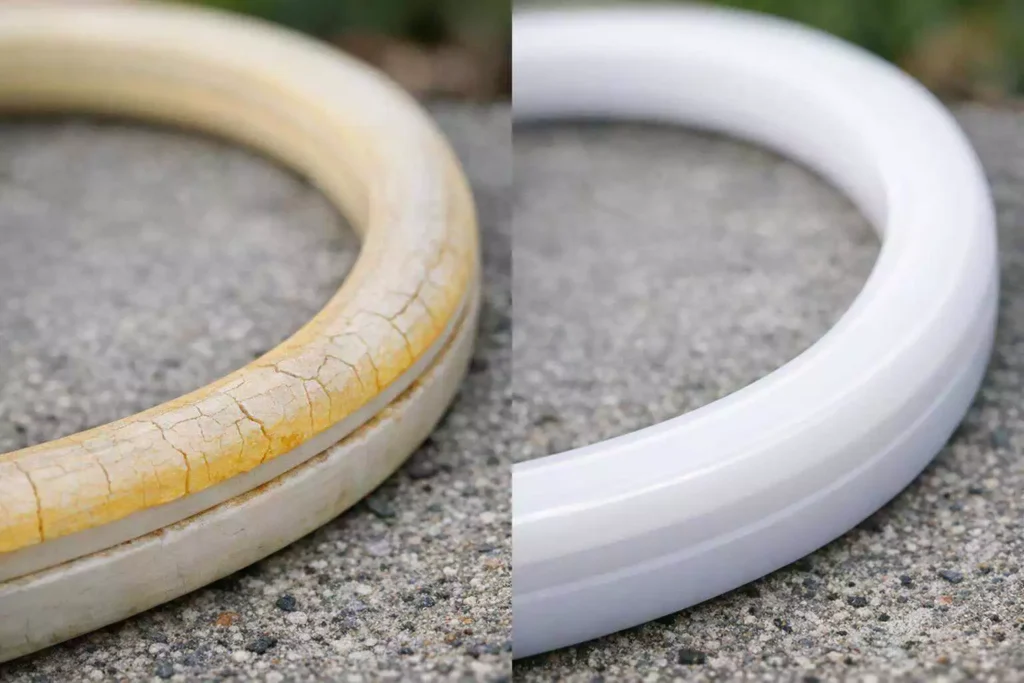
Table of Contents
The Hidden Costs of Yellowing Neon Flex for Contractors
Labor Costs Dwarf Material Costs
Here is the math most buyers never run. Cheap PVC-based neon flex may save $1–2 per meter at purchase. But in the US and EU, electrician rates typically run $75–150 per hour. Once a facade installation yellows, removing and re-installing hundreds of meters — with lifts, permits, and downtime — can easily cost several times the original material price.
So the “cheap” option is often the most expensive one on a 5-year view.
Brand Damage Is Not Refundable
For a silicone neon flex importer, the deeper risk is reputational. Contractors do not blame the factory in China they never met. They blame the brand on the box — yours. One yellowed project photo circulating among local installers can quietly end repeat orders.
Total Cost Comparison
| Factor | Cheap PVC / Blended "Silicone" | True Anti-Yellowing Silicone |
|---|---|---|
| Typical outdoor color stability | Yellowing often within 6–24 months | Stable for 5+ years (warranty-backed) |
| UV resistance | Poor to moderate | Excellent (inherent to pure silicone) |
| Cold-weather flexibility | Hardens and cracks in winter | Stays flexible at -25°C |
| Replacement labor risk | High — full rework possible | Minimal within warranty period |
| 5-year total cost of ownership | High + brand damage | Lowest overall |
Why Standard Silicone Fails Outdoors (The UV Problem)
UV Degradation in Plain Terms
Sunlight carries UV radiation that breaks the molecular chains in polymers. In PVC, this photo-oxidation causes yellowing, chalking, and embrittlement. Pure silicone (PDMS) is chemically far more stable under UV — its Si-O backbone simply does not degrade the way carbon-based PVC does. This is why accelerated weathering standards like ASTM G154 exist: to simulate years of sunlight exposure on polymers in a lab within weeks.
The Industry Shortcut Nobody Advertises
Here is the uncomfortable part. A lot of “silicone” neon flex on the market is not pure silicone. Common shortcuts we see include:
- Silicone-PVC blends — feels similar, costs less, yellows like PVC.
- Cheap industrial-grade silicone with fillers — extrudes fine, degrades fast.
- Recycled compound in the inner layer — invisible at inspection, fails in the field.
The tube looks identical on day one. The difference only shows up 12–24 months later — long after the payment terms are closed. We compared the two materials in detail in an earlier post: Silicone vs PVC LED Flex Neon Lights: Which One is Superior?
How Our Factory Ensures Anti-Yellowing Silicone Quality
✳️Raw Material Selection Comes First
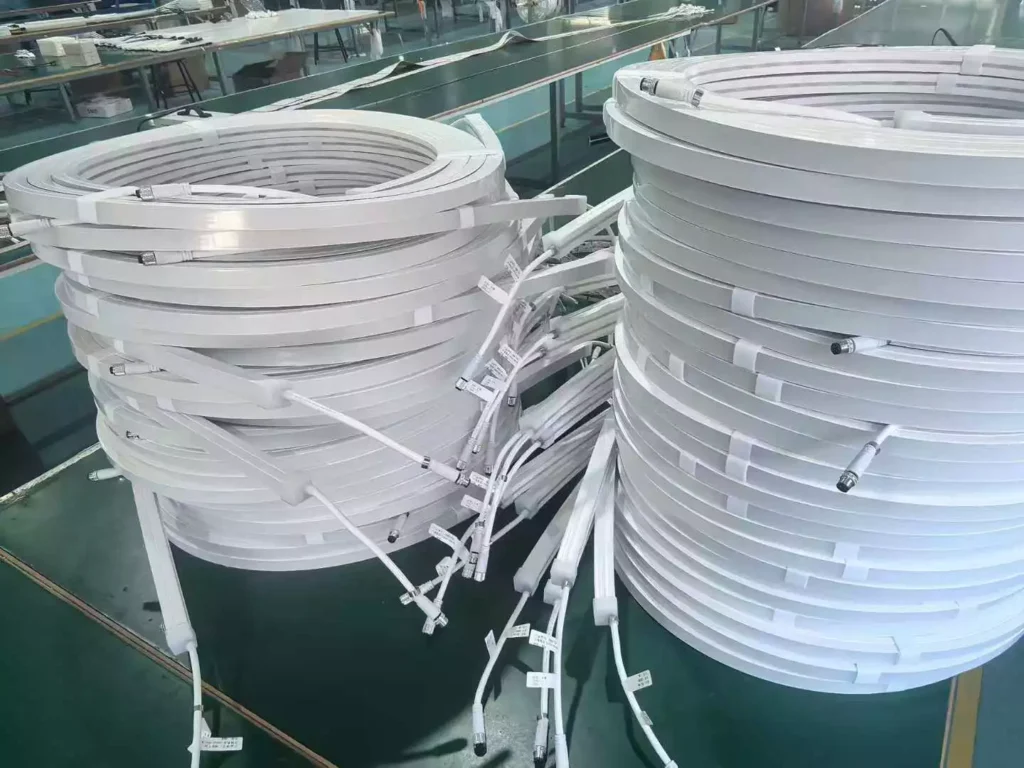
At NPHIS, our position is simple: no blend, no filler, no recycled compound. We use pure anti yellowing silicone raw material for the tube body, because no extrusion technique can compensate for a compromised compound. This is also why we can back our anti-yellowing silicone LED neon flex with a 5-year warranty — something factories using blended material simply cannot afford to offer.
✳️Integrated Extrusion, Not Sleeve Assembly
Our silicone neon flex uses a three-color integrated extrusion process. The strip and housing are formed as one body, which delivers:
- IP67/IP68 waterproofing without glue-filled weak points
- Dot-free, uniform light output for high-end visual results
- Better resistance to salt, acid, and alkali in coastal and urban environments
✳️Batch-Level Quality Control
Every batch goes through integrating sphere analysis, high/low-temperature cycling, and 24-hour aging tests before shipment, with color consistency held at SDCM < 3. Our products are CE, RoHS, and REACH compliant, with UL/ETL available on request.
👉 Please check out our other blog post: To learn how to choose silicone LED strips for outdoor use.
How Importers Can Test and Verify True Anti-Yellowing Specs
Don’t take any factory’s word for it — including ours. Verify. Here is the checklist we recommend to our own customers:
1. Ask for Third-Party Lab Reports
Request UV accelerated weathering reports referencing ASTM G154 (QUV) or equivalent. Independent labs such as Intertek run these tests routinely. A supplier who refuses to share test data is telling you something.
A supplier who refuses to share test data is telling you something — and to know exactly what a valid UV test report should contain, read our UV resistant LED neon flex for outdoor signage buying guide.
2. Run a Simple Burn Test on Samples
Pure silicone burns to a white/grey ash and does not drip. PVC or blends produce black smoke, an acrid smell, and melt-dripping. This 30-second test filters out most fake “silicone” instantly.
3. Check Cold Flexibility
Put a sample in a freezer at -20°C overnight. Pure silicone stays soft and bendable. Blends stiffen noticeably.
4. Demand Batch Consistency Documentation
Ask for SDCM data and aging records for your specific batch — not a generic certificate from two years ago.
| Verification Method | What It Reveals | Cost / Effort |
|---|---|---|
| ASTM G154 UV report | Long-term yellowing resistance | Ask supplier / ~$500 via lab |
| Burn test | Pure silicone vs PVC blend | Free, 30 seconds |
| Freezer flexibility test | Cold-climate durability | Free, overnight |
| SDCM & aging records | Batch-to-batch consistency | Free — just ask |
Recommended Solution for High-End Outdoor Projects
For architectural facades, hospitality venues, and city nightscape projects that need dynamic color, we recommend our DMX512 RGBW Silicone LED Neon Flex. It combines the same IP68 integral silicone extrusion with professional-grade control:
- UCS512C1L built-in IC for addressable DMX512 effects — chasing, gradients, scene programming
- RGBW light source: vivid full color plus a clean dedicated white channel for architectural lines
- DC24V/48V single-ended power with no voltage drop over 20–30 meters
- Breakpoint signal transmission for high reliability on long facade runs
- 16×16mm front-emitting profile, operating from -25°C
Because the housing is the same anti-yellowing silicone extrusion, the dynamic effects your client pays a premium for will still look premium in year five — not filtered through a yellowed tube.
Final Thoughts
Yellowing is not bad luck. It is a material decision made at the raw-material purchasing stage, months before your container ships. As an importer, you cannot inspect molecular chemistry at the port — but you can demand lab reports, run a burn test, and choose a factory willing to put a 5-year warranty behind its bulk anti-yellowing silicone neon strip .
Ready to verify for yourself? Request free samples from us, run your own burn and freezer tests, and compare them against your current supplier. Send us your project requirements — our engineering team typically responds within 24 hours with specs, datasheets, and wholesale pricing.
FAQs
❓️ Why does LED neon flex turn yellow outdoors?
UV radiation breaks down the polymer chains in PVC and low-grade blended materials, causing photo-oxidation. This shows as yellowing, chalking, and eventually cracking. Pure silicone’s Si-O molecular backbone is inherently UV-stable, which is why it resists yellowing for years.
❓️ How can I tell if neon flex is real silicone or a PVC blend?
Run a burn test: pure silicone burns to white/grey ash with no black smoke or dripping. PVC blends produce acrid black smoke and melt. You can also freeze a sample at -20°C — real silicone stays flexible.
❓️ How long should quality silicone neon flex last outdoors?
Genuine anti-yellowing silicone neon flex with integral extrusion should maintain color and flexibility for 8–10 years outdoors. Our products carry a 5-year warranty and 50,000-hour rated LED lifespan.
❓️ What UV test standard should I ask my supplier for?
Ask for accelerated weathering reports per ASTM G154 (QUV fluorescent UV) or ASTM G155 (xenon arc), ideally from an independent lab such as Intertek or SGS.
❓️ Is silicone neon flex worth the higher price versus PVC?
For outdoor projects, yes. The $1–2/meter saving on PVC is typically wiped out many times over by replacement labor once yellowing occurs. For indoor, budget signage, PVC can still be acceptable.
❓️ What IP rating do I need for outdoor neon flex?
IP67 minimum for general outdoor use; IP68 integral silicone extrusion for exposed facades, coastal areas, and wet locations. Avoid glue-filled “waterproof” constructions for long-term outdoor projects.
❓️ Can silicone neon flex handle cold climates?
Pure silicone remains flexible from about -25°C, making it suitable for Northern Europe and Canada. PVC hardens and can crack during winter installation.
❓️ What is the difference between RGB and RGBW DMX512 neon flex?
RGBW adds a dedicated white channel, so one fixture delivers both vivid color effects and clean architectural white light — important for high-end facades and hospitality projects.
❓️ Do you support OEM/ODM and white-label packaging for importers?
Yes. We support custom structure, cable outlet, accessories, and full white-label packaging with your brand, plus CE/RoHS/REACH compliance and UL/ETL options.
Can’t find the asnwer you are looking for?
Write us a questionand we will be happy to answer it