


When a contractor sends us a curved facade drawing, the first thing I check is not the wattage.
I check the bending direction.
Last quarter, a facade lighting contractor from Germany sent us a project file — a flowing wave outline running across three connected building surfaces. His purchasing file said: “LED neon flex, IP67, warm white, 3000K.” That was it.
We pushed back and asked one question: “Which direction does the line bend?”
He had no idea what we meant. He thought all neon flex was the same.
It is not. And that one missing detail almost caused a full container of wrong product to ship to Europe.
This is the problem we see over and over. The designer draws a beautiful flowing line. The purchasing team orders “neon flex.” The installer arrives on site and finds the strip cannot follow the curve without twisting, lifting, or stressing the PCB.
That is exactly where 3D bend silicone neon flex becomes the right answer.
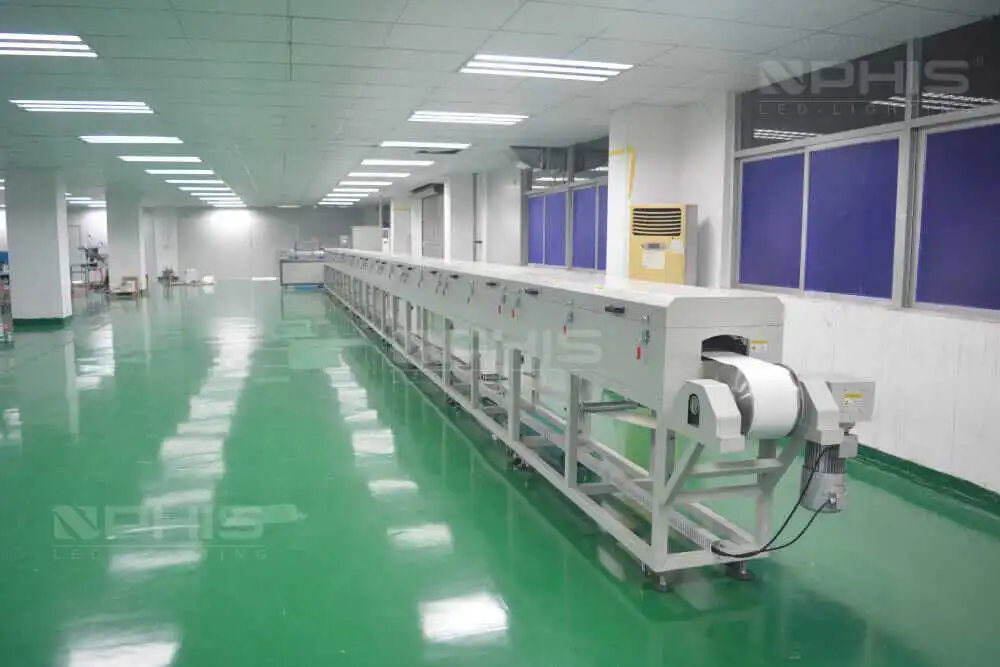
Table of Contents
What Is 3D Bend LED Neon Flex?
3D bend LED neon flex is a flexible silicone linear light that can bend in more than one direction — both horizontally and vertically — within the same run.
Buyers also call it multidirectional LED neon flex, free bend neon flex, or simply 3D neon flex.
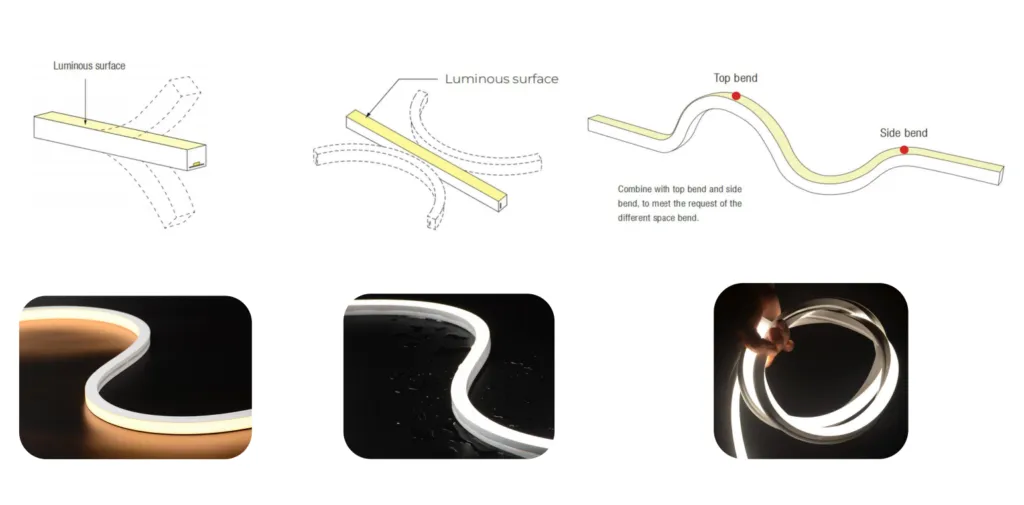
A standard neon flex has one primary bending direction. It bends either from the top (up and down) or from the side (left and right). A 3D bend design removes that restriction.
The result: a continuous light line that can follow compound curves, wave shapes, rounded corners, and complex architectural surfaces — all without forcing the product into an unnatural position.
For architectural lighting, this matters a lot. A wrong bend direction creates shadows, uneven stress on the PCB, poor surface contact, and visible gaps between the light and the mounting channel.
3D Bend vs Top Bend vs Side Bend: Which One Do You Need?
Before any buyer asks us for custom neon flex, I always ask one question first: “How does the light line turn on the building?”
If the line only curves left and right on a flat surface — side bend may be enough. If the line only curves up and down along a wall or step — top bend may be enough. If the line moves across compound surfaces in multiple directions — 3D bend silicone neon flex is the safer choice.
The Core Difference Explained Simply
The key is the PCB orientation inside the silicone body.
In a top bend product, the PCB is oriented so it folds vertically. In a side bend product, the PCB folds horizontally. In a 3D bend product, the internal structure is designed to allow movement in both planes without creating stress fractures or uneven light output.
If you force a top bend product into a horizontal curve, you stress the PCB until it cracks. We have seen this happen on real projects. It is not a material defect — it is a selection error.
Comparison Table: Top Bend vs Side Bend vs 3D Bend
| Type | Bending Direction | Best Use Case | Buyer Risk If Wrong |
|---|---|---|---|
| Top Bend Neon Flex | Up and down (vertical plane) | Letters, step outlines, vertical wall curves | PCB stress if forced sideways; cracking at bend points |
| Side Bend Neon Flex | Left and right (horizontal plane) | Logos, shop windows, curved wall outlines | Cannot follow compound architectural shapes; lifting or twisting |
| 3D Bend Silicone Neon Flex | Both horizontal and vertical (multidirectional) | Complex facades, curved ceilings, sculpture lines, wave outlines | Needs sample confirmation, bend radius check, and installation planning |
For signage projects where the line only curves in one direction, our detailed guide on side bend silicone LED neon flex explains the horizontal bending mechanics in more detail.
Why Silicone — Not PVC — For Complex Architectural Curves
PVC neon flex has its place. For low-cost indoor signage or short-term decorative use, it can work.
But for outdoor architectural projects, we always recommend silicone neon flex.
Here is why.
Silicone Handles Outdoor Stress Better
A curved architectural project puts constant mechanical stress on the material. The strip must hold its shape against gravity, temperature changes, wind, and UV exposure — every single day.
Silicone has:
- Better UV resistance — it does not yellow or become brittle under sunlight
- Better temperature stability — it stays flexible from -40°C to +80°C
- Better surface consistency — the diffuser stays smooth and dot-free over time
PVC hardens with age. When the diffuser surface becomes stiff, yellow, or cracked, the whole light line loses its clean appearance. On a premium hotel facade or retail exterior, that is not acceptable.
Co-Extrusion Matters For Dot-Free Output
At NPHIS, we use a silicone co-extrusion process for our architectural neon flex. The silicone housing, diffuser layer, and light guide are formed together in one extrusion pass.
This gives a smooth, dot-free light surface — even at close viewing distances. For facades and lobbies where the light is seen up close, this detail makes a visible difference.
You can review the full range of options — including side bend, top bend, RGB, RGBW, pixel, DMX, IP67, and IP68 — on our silicone LED neon flex product page.
Where 3D Bend Silicone Neon Flex Works Best
3D bend silicone neon flex is not needed for every project. It is most useful when the design has compound curves or lines that change direction across multiple surfaces.
Typical Applications
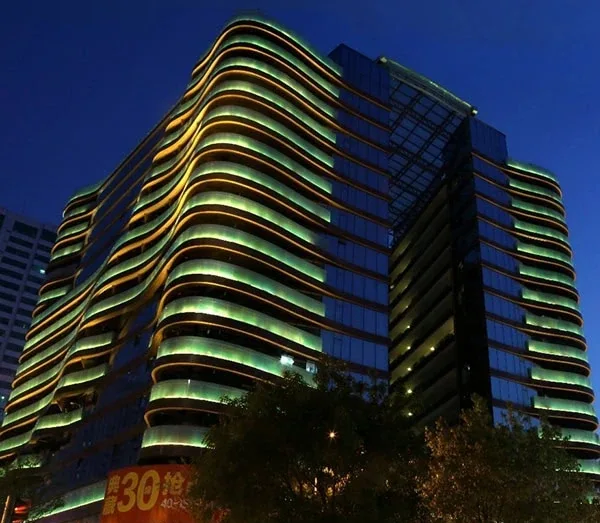
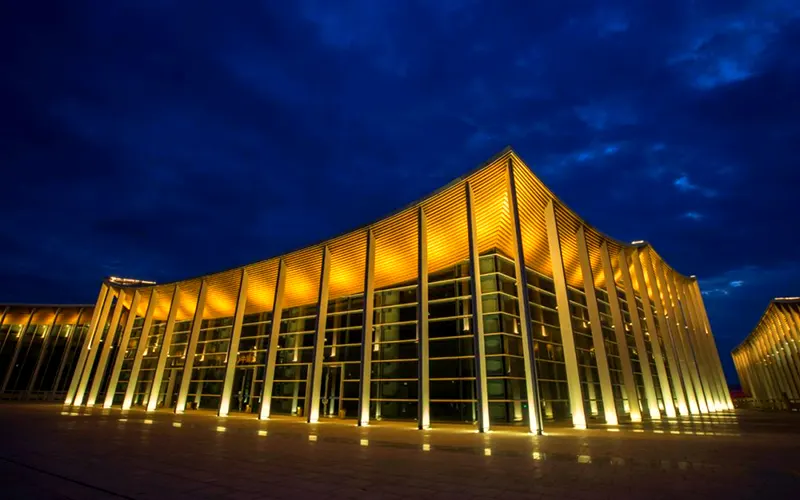
- Curved building facade outlines and rooflines
- Hotel lobby and retail architectural cove lighting
- Curved ceiling and soffit details
- Spiral staircase lighting
- Landscape structures and garden path outlines
- Custom signage with compound curves
- Art installations and exhibition lighting
- Bridge, canopy, and public space outlines
- Themed entertainment and hospitality interiors
For a simple straight facade run, a standard silicone LED neon flex may be more cost-effective. For a sculptural or wave-shaped line, a 3D bend product can save hours of installation time and prevent on-site damage.
In our factory communication, I always ask the buyer to mark the curve direction directly on the drawing. This one step helps our engineers confirm whether the project needs top bend, side bend, or 3D bend — before we produce a single meter of sample.

Custom Neon Flex For Architectural Curves: What To Confirm Before Production
Custom neon flex is not just about cutting a special length.
For architectural curves, customization must cover the full installation condition — not just the color and wattage.
A serious project order at NPHIS always confirms these items before production starts:
Custom Order Confirmation Table
| Item To Confirm | Why It Matters | What To Send The Factory |
|---|---|---|
| Bending direction | Prevents ordering top bend when the project needs side or 3D bend | Drawing, installation photo, or curve direction sketch |
| Minimum bend radius | Protects PCB, diffuser, and light uniformity | Smallest curve radius in millimeters from the drawing |
| Outdoor IP rating | Reduces water ingress and connector failure risk | Indoor/outdoor location, IP requirement, weather exposure details |
| Run length and voltage | Controls voltage drop and brightness consistency across the run | Total length, cut sections, power feed positions |
| CCT / color / control | Ensures color batch consistency across all sections | Color temperature, CRI, RGB/RGBW/DMX requirement |
| Packaging and labeling | Supports wholesale, distributor, and project delivery requirements | Label design, carton mark, SKU list, OEM brand name |
For LED neon flex wholesale buyers, this step is critical. One wrong sample can delay a full container order. For contractors, it can delay the entire installation schedule.
NPHIS supports OEM and ODM requests including custom length, CCT, CRI, wattage, PCB design, voltage, cable direction, packaging, and project labeling. This makes repeat orders easier to manage for distributors and lighting brands.
IP67 Silicone Neon Flex For Outdoor Architectural Projects
Outdoor projects need more than a flexible body. They need reliable waterproof details at every connection point.
For IP67 silicone neon flex, the connector, end cap, cable outlet, cutting point, and power feed position all matter. A good neon flex body can still fail if water enters from a weak end cap or an unsealed cut point.
What We Check On Every Outdoor Project
When we review an outdoor architectural order at NPHIS, we ask:
- Is the light installed on a facade, roofline, landscape structure, or wet area?
- Will the cable outlet face upward, downward, or sideways?
- Does the project need front cable, side cable, or bottom cable exit?
- Is the run length too long for a single power feed? (Voltage drop is real.)
- Will the installer cut and seal on site, or should the factory pre-assemble sections?
For building facades, we strongly recommend planning the power feed and connector positions before production starts. This makes the installation cleaner and significantly reduces the risk of water ingress or voltage drop complaints after delivery.
For a full outdoor project planning checklist, read our guide on outdoor LED neon flex for building facade lighting.
Wholesale LED Neon Flex Buying Tips: Don't Compare Only The Unit Price
If you are buying wholesale LED neon flex for a brand, distribution channel, or project tender — do not compare only the unit price.
A cheaper strip can become very expensive if:
- The bend direction is wrong for the project
- The brightness is uneven or the color batch shifts between reels
- The connector fails after three months of outdoor exposure
- The diffuser yellows and the client calls you for replacement
Before Confirming A 3D Bend LED Neon Flex Order, Ask The Factory For:
- Profile drawing and section size (width × height)
- Bending direction and minimum bend radius
- LED density and dot-free effect confirmation
- CCT or RGB/RGBW/DMX control requirement
- Voltage and maximum run length per feed
- IP rating and connector/end cap structure
- Sample approval before bulk production
- Aging test and waterproof test documentation
- Packaging, labeling, and carton details
- CE, RoHS, and any regional certification requirements
For importers, these details also help reduce after-sales disputes and protect your brand reputation. For contractors, they protect your installation schedule and your client relationship.
If your market requires documentation, review our guide on LED neon flex certifications for global buyers covering CE, RoHS, IP rating, and testing requirements.
Factory Notes From Real Orders
In many projects, the drawing is beautiful but incomplete.
The designer shows a flowing architectural light line. The purchasing file says: “LED neon flex, warm white.” That is not enough for production.
From the factory side, we need to know:
- How does the light bend?
- Where does the cable exit?
- How long is each section?
- Where will the power supply sit?
- Is there a minimum bend radius we must respect?
One real example: A buyer from a hotel project in Southeast Asia asked for “flexible neon LED strip for a curved ceiling cove.” The ceiling moved across three connected surfaces — a horizontal soffit, a curved transition, and a vertical reveal.
We asked for photos. The curve clearly needed 3D bend capability. If we had produced a standard side bend version, the installer would have had to force the product around the transition curve. That would have stressed the PCB, created bright spots at the bend, and potentially cracked the silicone diffuser.
We produced a 3D bend sample first. The buyer tested it on a mock-up board. It passed. Bulk production followed with zero installation complaints.
That small extra step — one sample, two weeks — saved a large problem later.
How To Request A Better Sample
A good sample request should not just say: “Please send 3D bend neon flex.”
That tells us almost nothing useful.
Send the factory these details:
- A drawing or photo of the curve (even a rough sketch helps)
- The minimum bend radius in millimeters
- Indoor or outdoor use, and IP requirement
- Required color temperature (CCT) or RGB/RGBW/DMX control
- Total length and individual section lengths
- Cable exit direction (front, side, bottom)
- Expected order quantity
- Any certification or packaging requirement
With this information, a neon flex manufacturer can suggest the most accurate profile and reduce trial-and-error sampling rounds.
For B2B buyers, this is also the fastest way to get a serious, accurate quotation — not a generic price list.
LED Quality And Thermal Design Still Matter — Even For Flexible Products
When buyers focus on bending flexibility, it is easy to overlook the basics.
But a 3D bend silicone neon flex must still perform as a reliable lighting product — not just a flexible one.
According to the U.S. Department of Energy’s Solid-State Lighting program, LED lighting quality, efficiency, and thermal management are key factors in product lifetime and performance. ENERGY STAR also notes that LED products can be far more efficient than conventional light sources, but thermal design directly affects how long they last.
For buyers, this means:
- Check the LED chip quality — not just the brand name, but the actual binning and consistency
- Confirm heat management — a silicone body that traps heat will shorten LED life
- Verify brightness uniformity — especially important for long architectural runs
- Test waterproof integrity — not just the IP rating on the label, but the actual connector and end cap sealing
- Ask for factory aging test data — reputable manufacturers test every batch before shipment
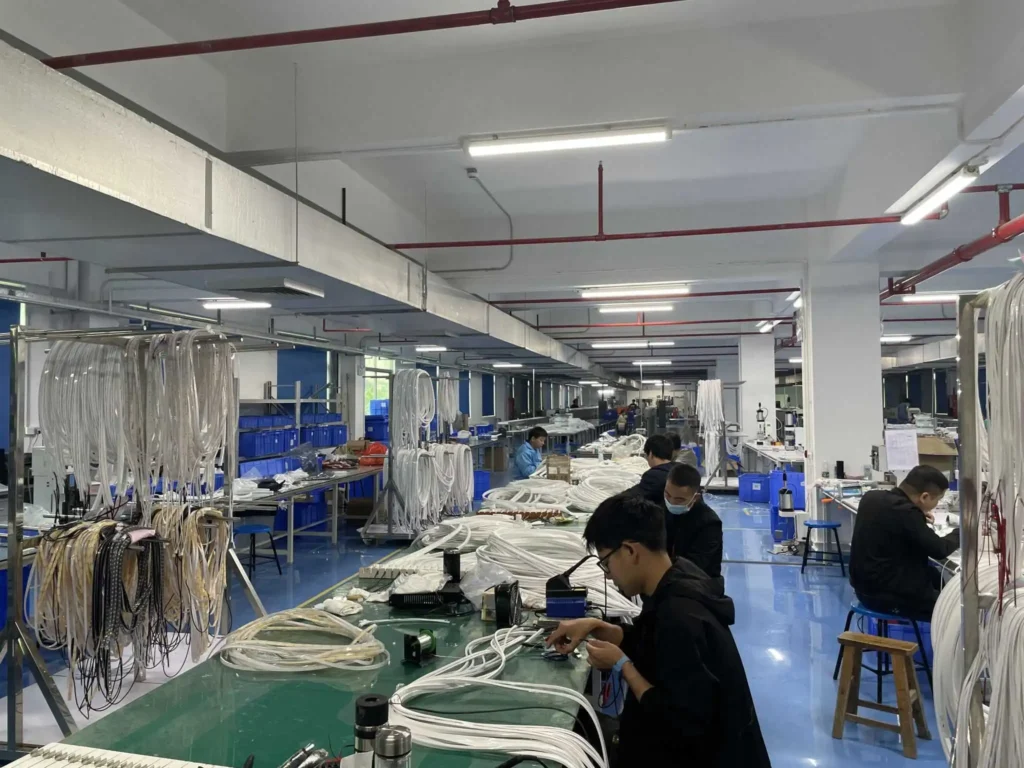
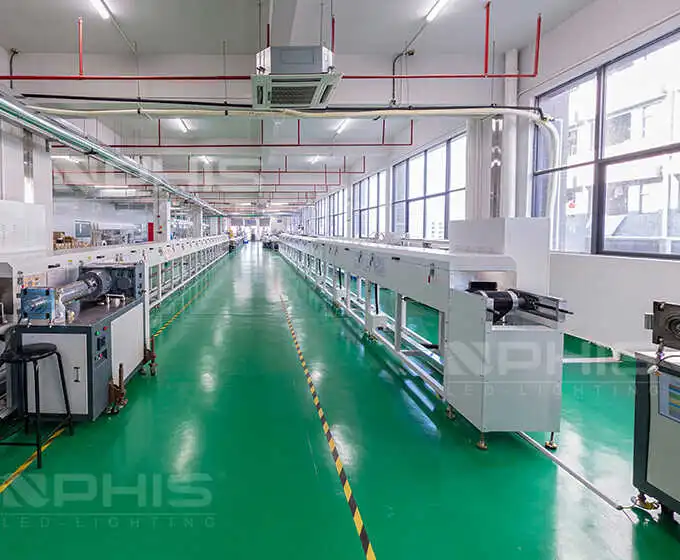
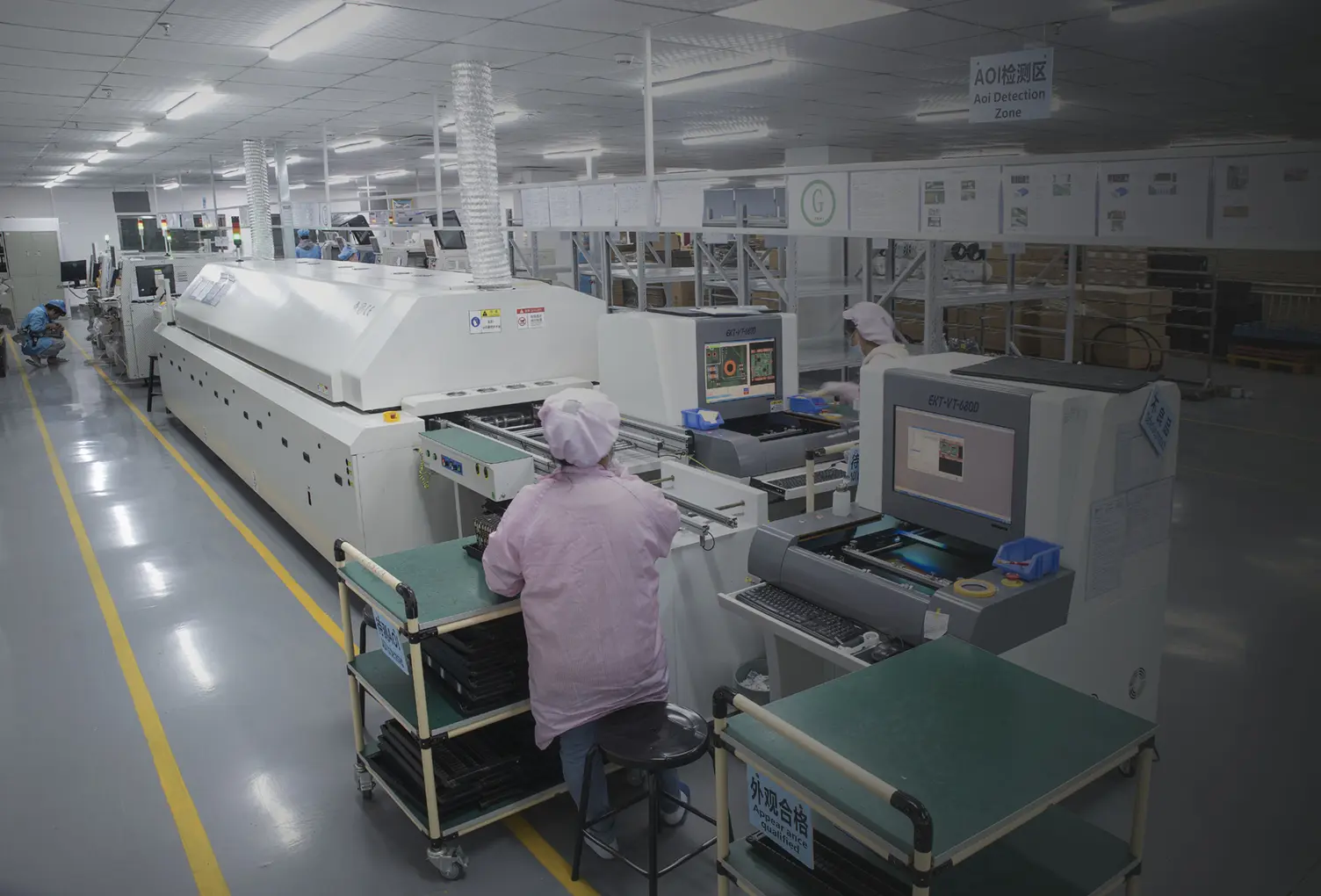
At NPHIS, every batch goes through thermal aging, waterproof testing, and visual inspection before it leaves our production floor. CE and RoHS compliance is standard. UL and ETL documentation is available on request.
🔧 Ready To Start Your Project?
If you are planning a facade, hotel, signage, landscape, or custom architectural lighting project — send NPHIS your drawing, curve direction, and project requirements.
Our engineering team will help you:
- Confirm whether top bend, side bend, or 3D bend is the right choice
- Recommend the correct profile size and IP rating
- Prepare an accurate sample before bulk production
- Support OEM/ODM packaging and labeling for your brand
👉 Contact NPHIS for custom neon flex and wholesale LED neon flex project support
Or browse our full range: Silicone LED Neon Flex — Side Bend, Top Bend, RGB, RGBW, DMX, IP67, IP68
FAQs: 3D Bend Silicone Neon Flex
❓️ What is 3D bend silicone neon flex?
3D bend silicone neon flex strip light is a flexible LED linear light made with a silicone housing that allows bending in both horizontal and vertical directions within the same run. It is designed for complex architectural curves, compound facade outlines, curved ceilings, and custom lighting designs where standard top bend or side bend neon flex cannot follow the shape without stress or distortion.
❓️ What is the difference between 3D bend, top bend, and side bend neon flex?
Top bend led neon flex bends up and down on the vertical plane. Side bend neon flex bends left and right on the horizontal plane. 3D bend neon flex combines both, allowing the strip to move in multiple directions. The difference comes from the PCB orientation inside the silicone body. Choosing the wrong type for a project can cause PCB stress, cracking, uneven light output, or installation failure.
❓️ Is 3D bend LED neon flex better than side bend neon flex for all projects?
No. Side bend neon flex is the right choice for many signage, logo, and curved wall projects where the line only bends horizontally. 3D bend LED neon flex is better when the light line must follow compound surfaces or change direction in more than one plane. Using 3D bend for a simple flat curve adds cost without benefit.
❓️ Can 3D bend silicone neon flex be used outdoors?
Yes — if the product, connectors, end caps, and sealing method are all rated for outdoor use. For outdoor architectural projects, specify IP67 silicone neon flex as a minimum. Confirm cable exit direction, end cap sealing, power feed positions, and connector type before production. The IP rating on the body alone is not enough if the connectors are not properly sealed.
❓️ What is the minimum bend radius for 3D bend LED neon?
The minimum bend radius depends on the profile size and internal PCB design. Typical 3D bend silicone neon flex profiles have a minimum bend radius of approximately 30–60mm, but this varies by product. Always send your curve drawing or the smallest radius measurement to the factory before ordering. Forcing the product below its minimum bend radius will damage the PCB and create bright spots or dark spots in the light output.
❓️ Is silicone neon flex better than PVC neon flex for architectural projects?
For outdoor and long-term architectural use, silicone neon flex is generally the better choice. Silicone has superior UV resistance, anti-yellowing properties, wider temperature range (typically -40°C to +80°C), and better long-term flexibility. PVC can harden, yellow, and crack with age and UV exposure. PVC may still be appropriate for short-term indoor or low-budget applications.
❓️ Can I order custom neon flex for a specific architectural project?
Yes. NPHIS supports full custom neon flex production including profile size, CCT, CRI, wattage, voltage (12V/24V/48V), PCB design, LED density, cable exit direction, connector type, IP rating, section length, and OEM/ODM packaging and labeling. For architectural projects, we recommend sending a drawing and curve details before requesting a sample.
❓️ What information should I send when buying wholesale LED neon flex?
Send: the project drawing or curve sketch, bending direction, minimum bend radius, indoor or outdoor use, IP requirement, voltage, color temperature or RGB/RGBW specification, section lengths, cable exit direction, total quantity, and any certification or packaging requirements. This allows the factory to quote accurately and produce the correct sample on the first attempt — saving time and reducing costly errors.
❓️ Does 3D bend neon flex work for building facade lighting?
Yes. It is particularly useful for curved facade outlines, wave-shaped architectural lines, and building surfaces where the light must travel across multiple planes. For outdoor facades, confirm IP67 or IP68 rating, voltage drop calculation, connector positions, and power feed locations before production. Pre-assembled sections with factory-sealed connectors are recommended for large facade projects.
❓️ Can one 3D bend neon flex product bend in every possible direction without limit?
No. Even 3D bend silicone neon flex has a safe bend radius and installation limit. The “3D” refers to the ability to bend in more than one plane — not unlimited flexibility in every direction. Forcing any neon flex product beyond its rated minimum bend radius will damage the internal PCB, create uneven light output, and potentially void the warranty. Always confirm the bend radius with the factory before installation.
References & Sources
- U.S. Department of Energy — Solid-State Lighting Program: https://www.energy.gov/eere/ssl/solid-state-lighting
- ENERGY STAR — Learn About LED Lighting: https://www.energystar.gov/products/learn_about_led_lighting
- NPHIS LED — Silicone LED Neon Flex Product Range: https://nphis-led.com/silicone-led-neon-flex/
- NPHIS LED — Side Bend Silicone LED Neon Flex Guide: https://nphis-led.com/industry-blogs/side-bend-silicone-led-neon-flex/
WHY I WRITE THIS
About my business
Our company’s main products include LED flexible light strips, rigid light strips, and linear light fixtures, all of which are manufactured in our own factory or in factories we have been cooperating with for many years.
Our services
Our products are primarily mid-to-high-end, exported to Europe and America. We accept OEM & ODM small-batch orders, and also provide sourcing services in China to help our international clients solve problems. Please contact us if you need our assistance with sourcing.
Contact Profile
Name Ted Lau
Brand Name NPHIS
Country China
Model B2B Wholesale only
Email ted@nphis-led.com
Related Posts
Explore essential insights on material durability, IP ratings, and installation for our Silicone LED Neon Flex. Designed for lighting professionals, this guide helps you make informed purchasing decisions for commercial and architectural applications.
Client Endorsements
Here,we proudly display the brands we have partnered with.






Request a free quote
If you have questions or suggestions,please leave us a message,we will reply you as soon as we can!