

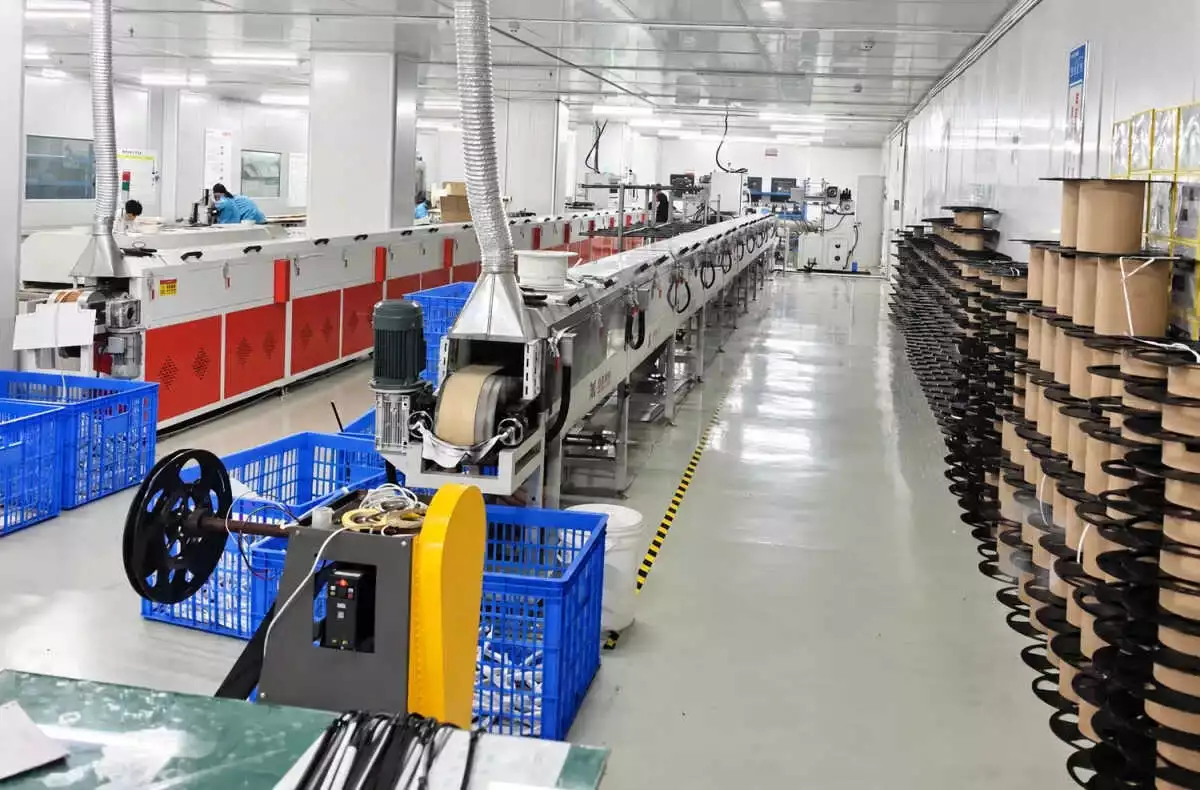
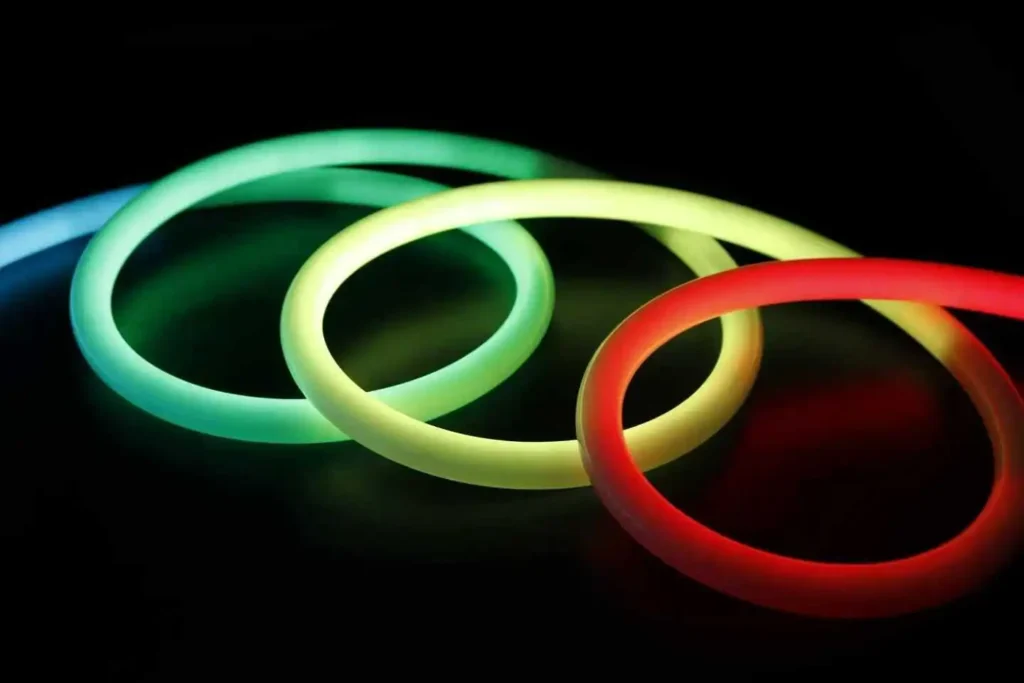
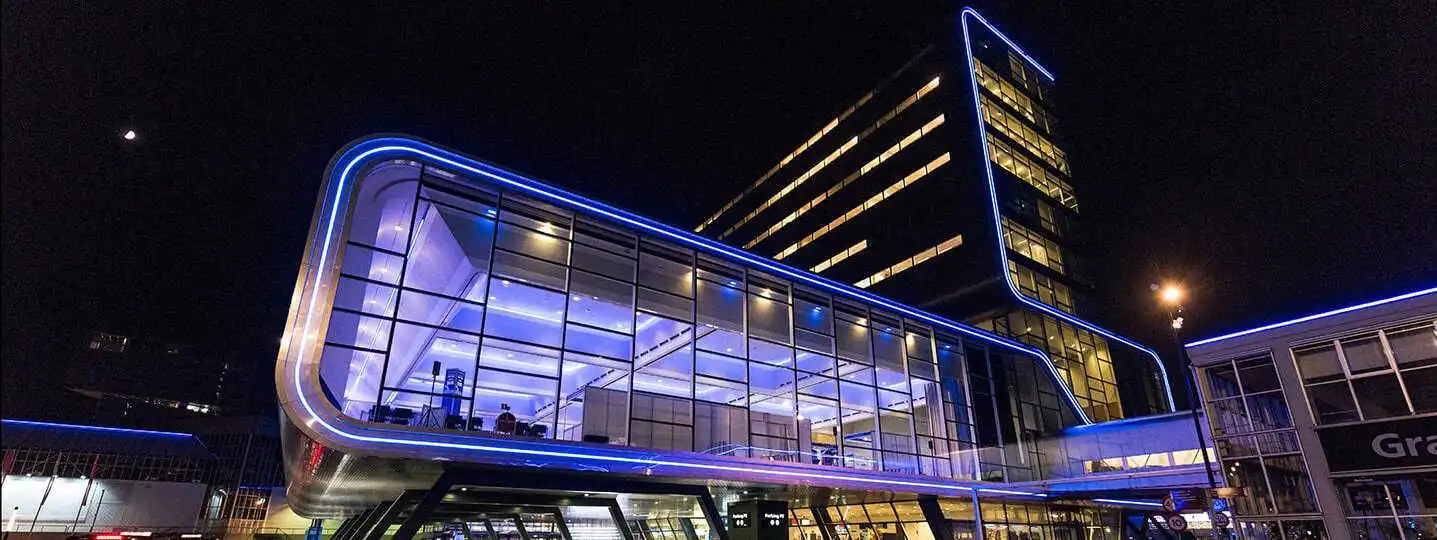
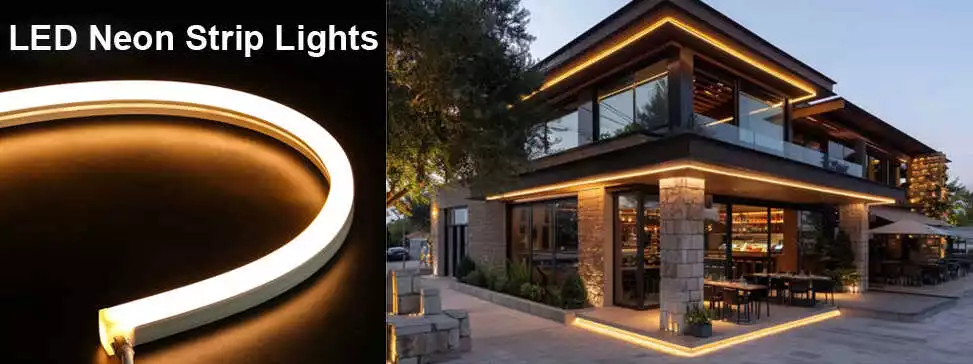
Last week, our production line wrapped up a 2,800-meter batch of custom silicone LED neon flex for a façade lighting brand in Germany. Their spec was tricky: 3000K warm white, CRI90+, top-bend profile, IP68 rated. This is exactly why B2B clients can’t just grab off-the-shelf reels—real projects demand real customization, and standard stock simply doesn’t cut it.
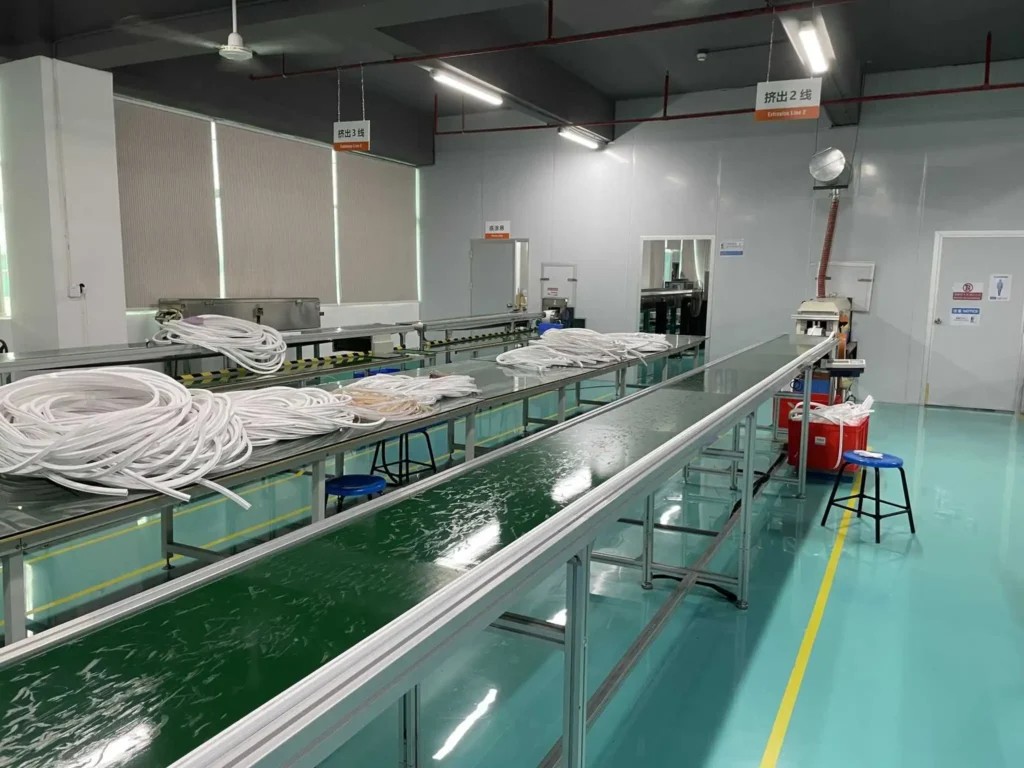
Table of Contents
Over the years, we’ve heard the same story from contractors and brands: they bought “cheap neon flex,” installed it on a hotel exterior, and within months it yellowed, dimmed, or flat-out failed. So let’s talk shop—from the factory floor.
Why "Off-the-Shelf" Fails: The Factory Perspective
We get it—stock products are fast and cheap. But here’s what we see when clients send us failed samples to inspect.
1. Yellowing PVC. Cheap neon flex uses PVC, not silicone. Under UV exposure, PVC turns yellow within months. We’ve tested PVC vs. silicone in real outdoor conditions, and the difference is night and day. Silicone resists UV, saltwater, and temperature swings far better. (See our silicone vs. PVC test data)
2. Inconsistent color temperature. Bulk stock often mixes LED bins. So you get one reel at 2900K and the next at 3300K. On a long façade run, that color shift is glaringly obvious—and unacceptable for a premium brand.
3. Poor waterproofing. Stock end caps are often just glued on. That glue cracks, water gets in, and you get dead sections. We see this constantly.
Here’s a quick comparison from our QC bench:
| Factor | Cheap PVC Stock | Custom Silicone Neon Flex |
|---|---|---|
| UV / Yellowing | Yellows in 3–6 months | 5+ years, no yellowing |
| Color Consistency | Mixed bins, visible shift | Single bin, ±50K |
| Waterproofing | Glued caps, IP65 | Injection-molded, IP67/IP68 |
| Warranty | None / 1 year | Up to 5 years |
Our OEM & ODM Process for Custom Silicone LED Neon Flex
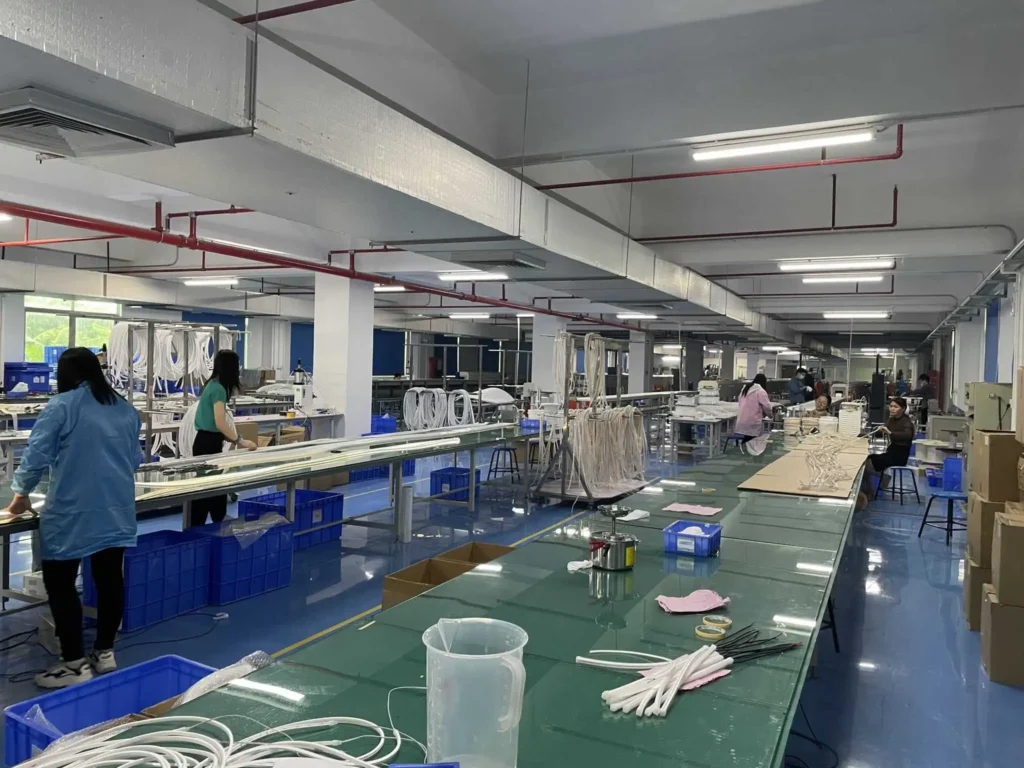
This is where our custom silicone LED neon flex capabilities really shine. Whether you need pure OEM LED neon flex manufacturing (your design, our line) or full ODM silicone neon lighting solutions (we design it with you), we build to your spec—not a catalog.
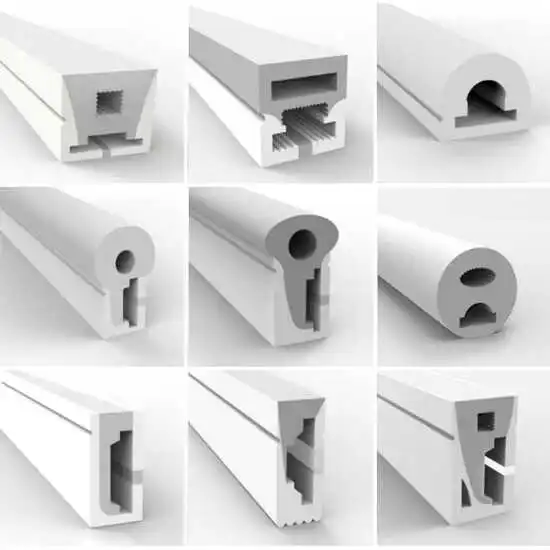
Extrusion and Bending Types
Bending direction matters more than most buyers realize. Pick the wrong one, and the product fails on-site. Choosing top bend versus side bend the wrong way is one of the most common—and costly—mistakes we see (industry guide).
We tool three core profiles using food-grade silicone:
- Top bending silicone neon — bends vertically; perfect for signage and lettering.
- Side bending silicone neon — bends horizontally; ideal for building outlines and curves.
- 3D bending — flexes both ways; great for complex landscape and sculptural work.
Our extrusion dies are custom-cut, so we can match your exact profile width, height, and luminous surface.
Precise Color Temperature and PCB Design
On color, we don’t guess. We bin our LEDs tightly, so a 4000K order stays 4000K across every reel. For premium retail and hospitality, we push CRI90+ so skin tones and materials look true.
Then there’s voltage drop—the silent killer of long runs. On 24V runs over 5 meters, thin PCBs cause noticeable dimming at the far end. Our fix? Thicker 2oz copper PCBs. They hold voltage steady, so the last meter is as bright as the first.
Solving the Waterproofing Headache for Outdoor Projects
Here’s a trend we’re seeing in 2025–2026: architectural lighting specs are getting strict. More clients now demand IP67/IP68 waterproof silicone neon flex for façades, bridges, and waterfront projects. Why? Because IP67 handles temporary immersion, while IP68 survives continuous submersion (waterproofing guide).
The problem is how most factories seal the ends.
Cheap glue caps are the #1 failure point. The glue shrinks, cracks, and lets water creep in. We’ve cut open dozens of dead samples and found corroded copper every time.
Our solution: injection-molded end caps. We mold the silicone cap directly onto the tube, creating a seamless, fully sealed unit. No gaps, no glue line, no water ingress. Every IP68 batch gets a 30-minute underwater soak test before it ships.
That recent German façade project? IP68, fully molded, zero failures after install. The kind of result that wins repeat orders.
Packaging and Project-Based Customization
Beyond the product, we help brands look professional. A reel is just a reel until it carries your name.
We support:
- Custom lengths — cut-to-order reels so installers waste less material.
- Custom labels — your logo, batch codes, and specs printed on the reel.
- Branded packaging — boxes, inserts, and manuals with your branding.
- Custom accessories — matched connectors, mounting clips, and power supplies.
For project orders, we also pre-assemble kits so your crew opens the box and installs—no sorting required.
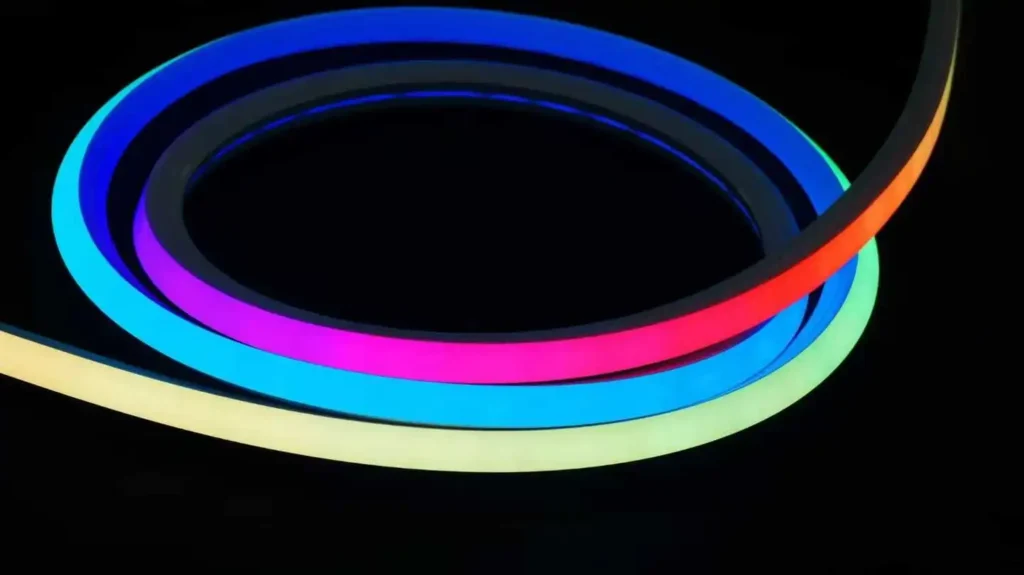
Ready to Build Your Custom Lighting Solution?
If your last batch yellowed, dimmed, or leaked, the fix isn’t a different stock reel—it’s a product engineered for your project. From OEM LED neon flex manufacturing to full ODM silicone neon lighting solutions, our line is built to handle your exact specs.
Send us your project details—CCT, bending type, IP rating, lengths, and branding—and we’ll quote a real solution. Explore our full range of wholesale silicone LED neon flex to get started.
Tell us what failed last time. We’ll make sure it doesn’t happen again.
Sources & References
- Clear Lighting — Outdoor LED Neon Flex: A Practical Waterproofing Guide
- GL LED US — Top Bend vs Side Bend Neon Flex
- SignliteLED — RGB & RGBW Neon Flex for Project Use
- Colors LED — IP67 Weather Proof Neon Strips for Architectural Lighting
FAQs
❓️ What's the real difference between silicone and PVC neon flex?
Silicone resists UV, yellowing, saltwater, and heat far better than PVC. For any outdoor or architectural project, silicone is the only reliable long-term choice.
Learn more about our Silicone Vs PVC article.
❓️ What's the minimum bend radius I should follow?
It depends on the profile, but as a rule, avoid bending beyond the rated radius. Over-bending causes hidden internal stress and early failure—always confirm the spec with your supplier.
❓️ Can you match a specific color temperature and CRI?
Yes. We bin LEDs tightly to hold CCT within ±100K and offer CRI90+ for premium retail, hospitality, and façade work.
❓️ What's the difference between IP67 and IP68?
IP67 handles temporary immersion (about 1m for 30 min); IP68 survives continuous submersion. For waterfront or pool-edge projects, choose IP68.
❓️ Why does my long neon run get dimmer at the end?
That’s voltage drop. We solve it with thicker 2oz copper PCBs and recommend proper power injection on long runs.
❓️ Do you offer OEM and ODM services?
Yes. We do full OEM (your design) and ODM (we co-engineer). Custom profiles, lengths, labels, and branded packaging are all available.
❓️ What's your typical MOQ and lead time?
Do you provide a warranty?
❓️ Do you provide a warranty?
Yes—up to 5 years on our silicone neon flex, backed by full underwater soak testing on IP68 batches.
WHY I WRITE THIS
About my business
Our company’s main products include LED flexible light strips, rigid light strips, and linear light fixtures, all of which are manufactured in our own factory or in factories we have been cooperating with for many years.
Our services
Our products are primarily mid-to-high-end, exported to Europe and America. We accept OEM & ODM small-batch orders, and also provide sourcing services in China to help our international clients solve problems. Please contact us if you need our assistance with sourcing.
Contact Profile
Name Ted Lau
Brand Name NPHIS
Country China
Model B2B Wholesale only
Email ted@nphis-led.com
Related Posts
Explore essential insights on material durability, IP ratings, and installation for our Silicone LED Neon Flex. Designed for lighting professionals, this guide helps you make informed purchasing decisions for commercial and architectural applications.
Request a free quote
If you have questions or suggestions,please leave us a message,we will reply you as soon as we can!