

If you’ve ever wondered “why do brighter LED strips get hotter,” you’re not alone. As a leading manufacturer of LED soft light strips, LED rigid light bars, neon light strips, COB light strips, RGB light strips, advertising light box bars, and shelf rigid light bars at NPHIS LED, we often address this concern for customers seeking high-luminosity LED solutions without excessive heat buildup. Brighter LED strips, while offering superior illumination for applications like commercial displays or home accents, inherently produce more heat due to their design and operation. In this optimized guide, we’ll break down the science behind “LED strip heat issues in high-brightness setups,” backed by reliable data, and provide practical tips for “managing overheating in bright LED strip lights.” Understanding these factors can help you choose the “best LED strips for high brightness without overheating,” ensuring longevity and efficiency.
1. Increased Current Flow: The Core Driver of Heat in Brighter LEDs
To achieve higher brightness levels in LED strips—such as those used in vibrant RGB light strips or high-output COB light strips—manufacturers increase the electrical current flowing through the diodes. This amps up the light output but also escalates energy consumption, directly translating to more heat generation. According to energy efficiency principles, higher current means more resistance within the LED chips, converting excess energy into thermal energy rather than light.
For instance, a standard LED strip might operate at 0.1 amps per LED for moderate brightness, but cranking it to 0.2 amps for “ultra-bright LED strip applications” can double the heat output. This is why “why brighter LED strips tend to overheat” is a common query among installers. To mitigate this, always adhere to the strip’s rated current, as exceeding it can shorten lifespan by up to 50%.
2. Inefficiency: Not All Energy Becomes Light
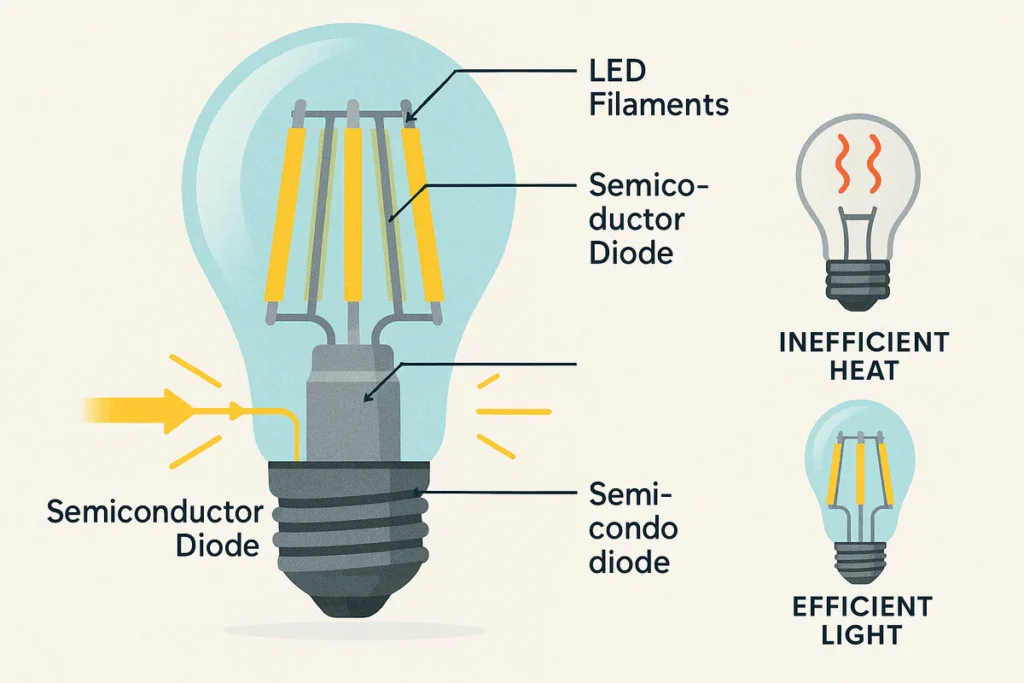
Even though LEDs are far more efficient than incandescent bulbs, they’re not perfect. Typically, LEDs convert about 80% of electrical energy into light, with the remaining 20% lost as heat. When you push for “higher brightness in flexible LED strips,” more total energy is inputted, amplifying that 20% heat loss. This inefficiency becomes pronounced in “long-run LED strip installations for commercial lighting,” where cumulative heat can lead to performance degradation.
Comparatively, incandescent lights waste 80% as heat, but LEDs’ targeted efficiency still means brighter setups—like our NPHIS neon light strips for signage—require careful planning. Opt for strips with higher luminous efficacy (lumens per watt) to minimize heat for the same brightness level.
3. Thermal Management: Essential for Cooling High-Brightness LED Strips
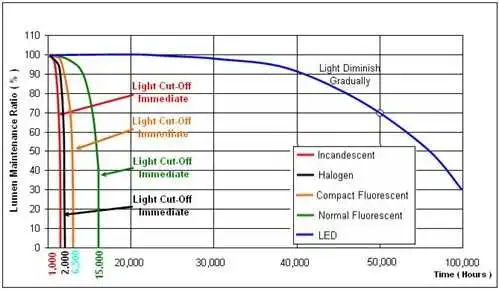
Effective thermal management is crucial for “preventing overheating in bright LED rigid light bars.” LED strips often incorporate heat sinks or aluminum substrates to dissipate heat, but in brighter models, these may struggle if the design isn’t optimized. Higher temperatures accelerate light degradation, reducing useful life—the hotter the LED, the faster it dims over time.
For “best practices for cooling LED strips in enclosed spaces,” consider adding external heat sinks or fans. At NPHIS, our advertising light box bars feature built-in thermal dissipation to handle high-brightness demands, maintaining optimal performance even in demanding environments.
Watch this explanatory video on LED thermal management basics for a visual breakdown: LED Thermal Management Basics – Aurora Lighting Presents.
4. Component Quality: Why Premium LEDs Handle Brightness Better
The quality of LED components directly impacts heat generation in “high-quality LED soft light strips for export.” Lower-grade diodes use less efficient materials, leading to more heat at elevated brightness. In contrast, high-end chips from reputable sources—like those in our NPHIS COB light strips—boast better thermal resistance, allowing brighter output with less heat.
Data from energy studies shows that premium LEDs can operate at higher currents without proportional heat spikes, thanks to advanced semiconductor designs. When sourcing “reliable LED strips for international trade,” prioritize UL-certified or Energy Star-rated products to avoid “common heat problems in budget bright LED lighting.”
5. Environmental Factors: External Influences on LED Strip Heat
Ambient conditions play a big role in “why brighter LED strips get hotter in real-world use.” High room temperatures, poor airflow, or installation in enclosed fixtures—like shelf rigid light bars in retail displays—trap heat, exacerbating the issue. For example, in a poorly ventilated space, a bright LED strip might reach 60°C, versus 40°C in open air.
To combat “environmental overheating in high-luminosity LED neon strips,” ensure proper ventilation and avoid direct sunlight. These factors are especially relevant for “outdoor or industrial applications of bright LED hard light bars,” where dust or humidity can further impede cooling.
Conclusion: Choosing Heat-Resistant Bright LED Strips for Optimal Performance
In summary, brighter LED strips get hotter due to increased current, inherent inefficiencies, thermal management limits, component quality, and environmental factors. By understanding “solutions for overheating in bright LED strip lights,” you can select products that balance luminosity and durability. At NPHIS LED, our range of export-quality LED solutions—like flexible LED strips and RGB variants—are engineered for “high brightness with minimal heat generation,” incorporating advanced cooling features.
For custom advice on “best LED strips for high brightness without overheating,” contact us at https://nphis-led.com/. Explore our products, such as the 120 LEDs 2835 Flexible Strip Light, designed for efficient, bright performance. Prioritizing these elements ensures your lighting projects shine brightly and last longer.
FAQs
Why do brighter LED strips generate more heat than dimmer ones?
Brighter LED strips, such as high-output RGB light strips or COB light strips, require more electrical current to produce intense illumination, leading to increased resistance and heat conversion. This is a fundamental aspect of LED physics, where excess energy not turned into light becomes thermal output. For reliable solutions, NPHIS LED’s neon light strips incorporate advanced designs to minimize this in “ultra-bright LED strip applications for commercial use.”
What are the risks of overheating in high-brightness LED strip lights?
Overheating can cause premature degradation, reduced lifespan (up to 50% shorter), color shifting, or even failure in “long-run LED strip installations for commercial lighting.” According to thermal studies, temperatures above 85°C accelerate phosphor breakdown in LEDs. To avoid this, opt for NPHIS advertising light box bars with built-in heat sinks, ensuring durability in demanding environments like retail displays.
How can I prevent overheating in my bright LED rigid light bars?
Implement effective cooling by using aluminum profiles, ensuring good airflow, and avoiding enclosed spaces without ventilation. For “best practices for cooling LED strips in enclosed spaces,” limit run lengths and use dimmers to control brightness. NPHIS shelf rigid light bars are engineered with superior thermal management, making them ideal for “preventing overheating in bright LED hard light bars for industrial applications.”
Are there LED strips that offer high brightness without excessive heat?
Yes, premium options like those with high luminous efficacy (over 100 lumens per watt) balance brightness and efficiency. Look for UL-certified products to handle “higher brightness in flexible LED strips” better. At NPHIS LED, our COB light strips and LED soft light strips for export are designed for “high brightness with minimal heat generation,” providing efficient performance for international trade needs.
How does NPHIS LED address heat in their high-luminosity LED neon strips?
Our products feature optimized chip designs, aluminum substrates, and thermal dissipation layers to manage heat effectively. This ensures longevity in “environmental overheating in high-luminosity LED neon strips” for outdoor or signage use. Backed by energy efficiency data, NPHIS RGB light strips maintain brightness without spikes in temperature, making them a top choice for “reliable LED strips for international trade.”
Related Posts
UV Resistant LED Neon Flex for Outdoor Signage: A B2B Buying Guide
Ted Lau
September 12, 2026
Private Label Silicone LED Neon Flex: OEM Packaging, Custom Specs and MOQ Guide for Lighting Brands
Ted Lau
September 20, 2026
Outdoor LED Neon Flex for Building Facade Lighting: Design and Buying Tips
Ted Lau
June 30, 2026
Client Endorsements
Here,we proudly display the brands we have partnered with.






Request a free quote
If you have questions or suggestions,please leave us a message,we will reply you as soon as we can!