

Choosing the wrong waterproof LED strip can cost you far more than money. A strip rated for splashing installed in a swimming pool will fail — sometimes dangerously. Yet every week, contractors and designers make exactly this mistake.
The root cause? Misunderstanding IP ratings.
Whether you’re lighting a hotel pool, an outdoor façade, a bathroom niche, or a garden path, the difference between IP67 and IP68 is not just a number. It’s the difference between a 5-year installation and a 5-week failure.
This guide gives you the full technical picture — clearly, without jargon — so you can specify the right waterproof LED strip lights for your environment, every single time.
What Does "IP Rating" Actually Mean for LED Strips?
The IEC 60529 Standard Explained
IP stands for Ingress Protection. It’s a standardized rating system defined by the International Electrotechnical Commission (IEC) under standard IEC 60529, used globally to classify the degree of protection an enclosure provides against solid particles and liquids.
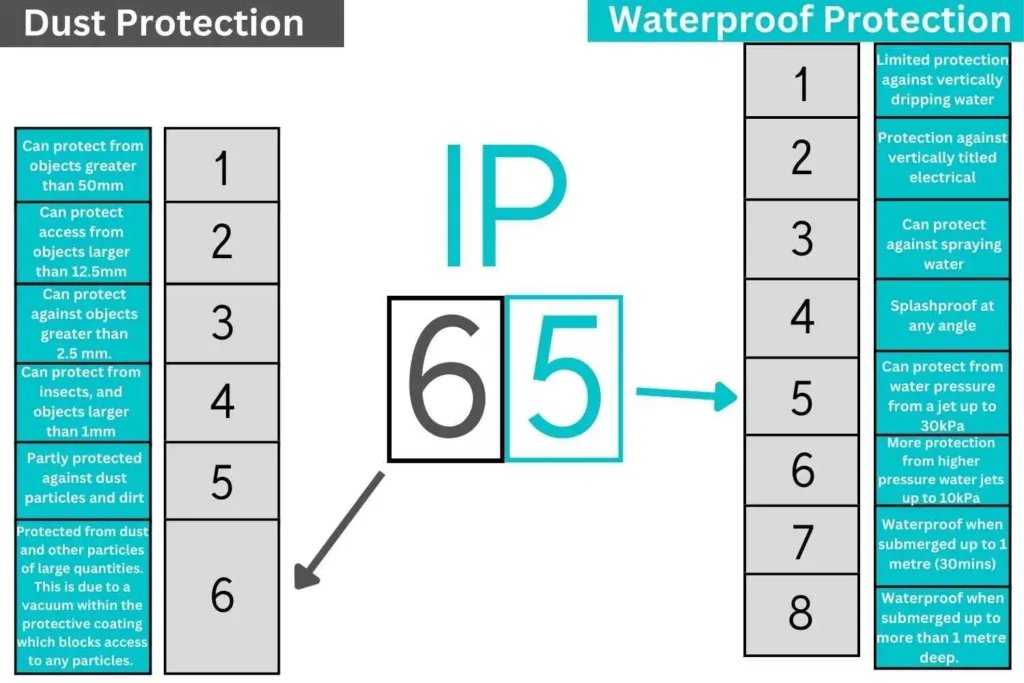
Every IP code contains two digits. Each digit tells you something different:
Breaking Down the Two Digits
| Digit | What It Measures | Scale |
|---|---|---|
| First digit (0–6) | Protection against solid objects & dust | 0 = No protection → 6 = Fully dust-tight |
| Second digit (0–9K) | Protection against water ingress | 0 = No protection → 8 = Continuous submersion |
So when you see IP67 or IP68 on a waterproof LED strip:
- The “6” means fully dust-tight — no dust can enter, period.
- The “7” means protected against temporary immersion in water.
- The “8” means protected against continuous submersion in water.
📌 Quick Reference: Both IP67 and IP68 LED strips are completely dust-proof. The critical difference lies entirely in their water resistance level.
The Full IP Rating Spectrum for LED Strips
| IP Rating | Dust Protection | Water Protection | Typical Use Case |
|---|---|---|---|
| IP20 | Partial | None | Indoor ceilings, dry areas |
| IP44 | Partial | Splash-proof | Covered outdoor areas |
| IP65 | Full (dust-tight) | Low-pressure water jets | Outdoor under eaves, signage |
| IP67 | Full (dust-tight) | Temporary immersion ≤1m / 30 min | Bathrooms, outdoor steps, garden |
| IP68 | Full (dust-tight) | Continuous submersion (depth specified by manufacturer) | Pools, fountains, ponds |
| IP69K | Full (dust-tight) | High-pressure, high-temp water jets | Industrial wash-down environments |
IP67 LED Strips: Features, Pros, and Best Applications
Technical Specification
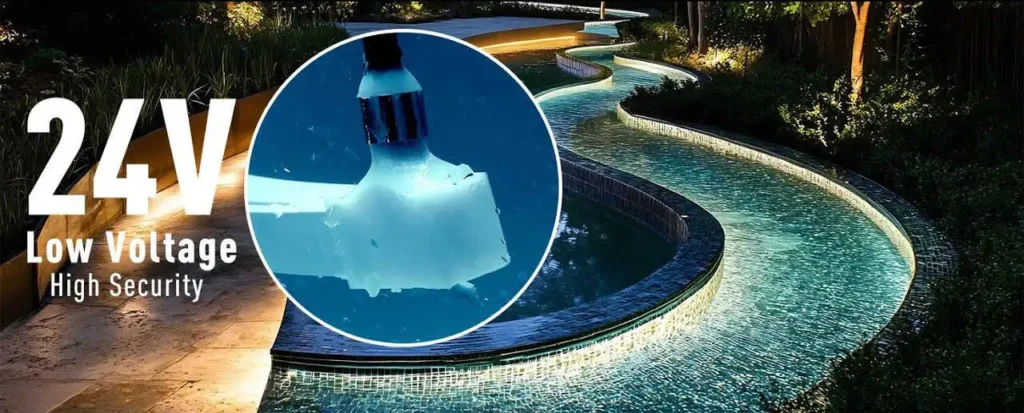
An IP67 LED strip is certified to withstand temporary immersion in water up to 1 meter deep for up to 30 minutes, as defined by IEC 60529. This is a controlled test condition — not a guarantee of indefinite underwater use.
Key technical parameters:
- Test depth: 1 meter
- Test duration: 30 minutes
- Pressure: ~0.1 bar (static)
- Dust protection: Fully sealed (6/6)
How IP67 Strips Are Manufactured
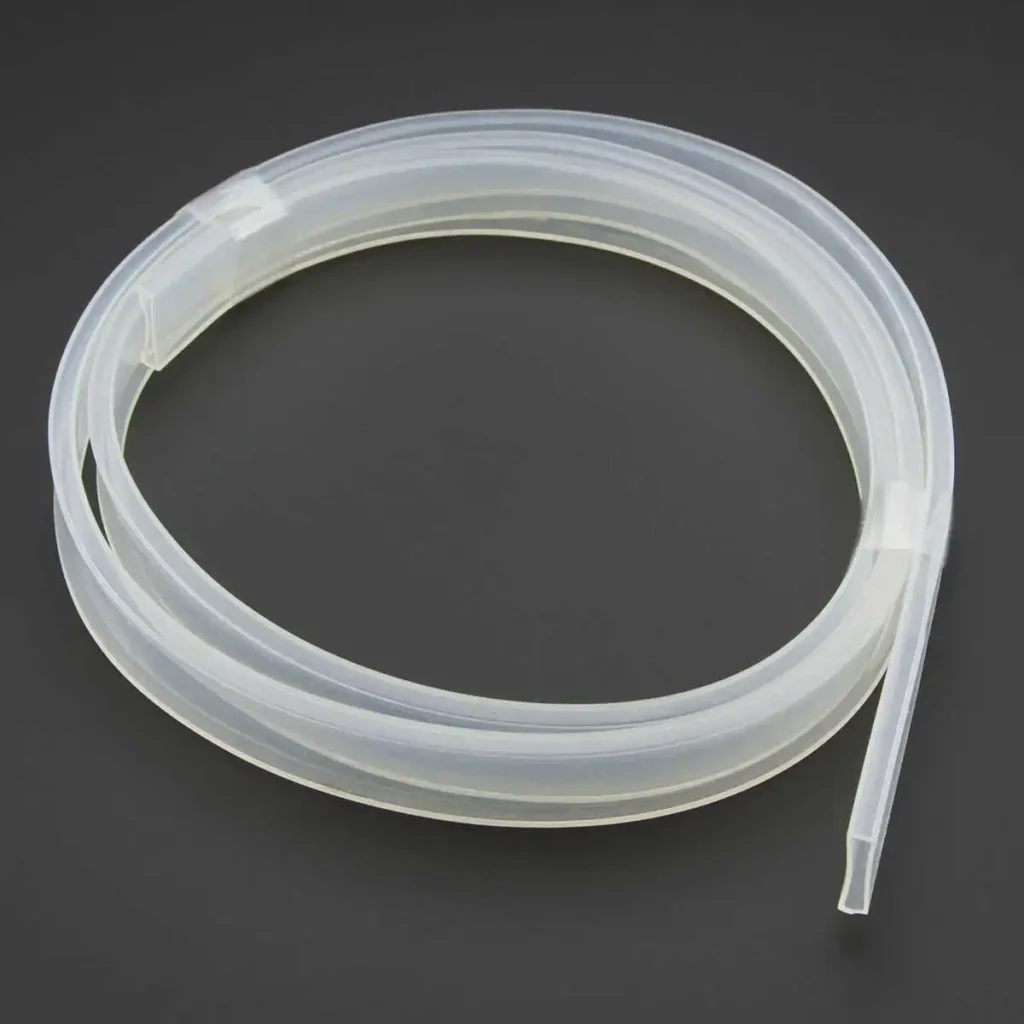
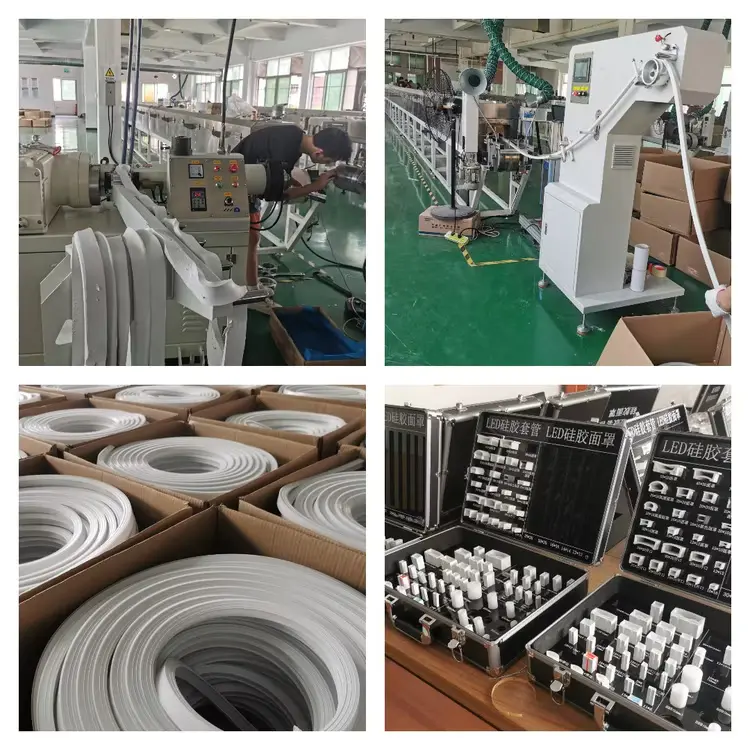
The most common manufacturing method for IP67 strips is the silicone tube encapsulation process:
- The LED strip PCB is inserted into a pre-formed silicone tube.
- Both ends are heat-sealed or end-capped with silicone plugs.
- The tube acts as a flexible, transparent barrier against moisture.
Some manufacturers also use a PU (polyurethane) glue injection method, where liquid PU is poured over the strip and allowed to cure. However, silicone tube offers superior flexibility and UV resistance — a key quality differentiator.
⚠️ Quality Note: Low-cost IP67 strips often use thin PVC tubes instead of silicone. PVC yellows and cracks under UV exposure within 12–18 months. Always verify the encapsulation material before purchasing.
✅ Best Applications for IP67 LED Strips
IP67 is the sweet spot for most outdoor and semi-wet environments. It offers strong protection without the added cost and rigidity of IP68.
Ideal use cases include:
- 🚿 Bathrooms & wet rooms — shower niches, mirror backlighting, vanity strips
- 🏡 Under eaves & covered patios — protected from rain but not submerged
- 🌿 Garden path & step lighting — occasional puddle contact, not submersion
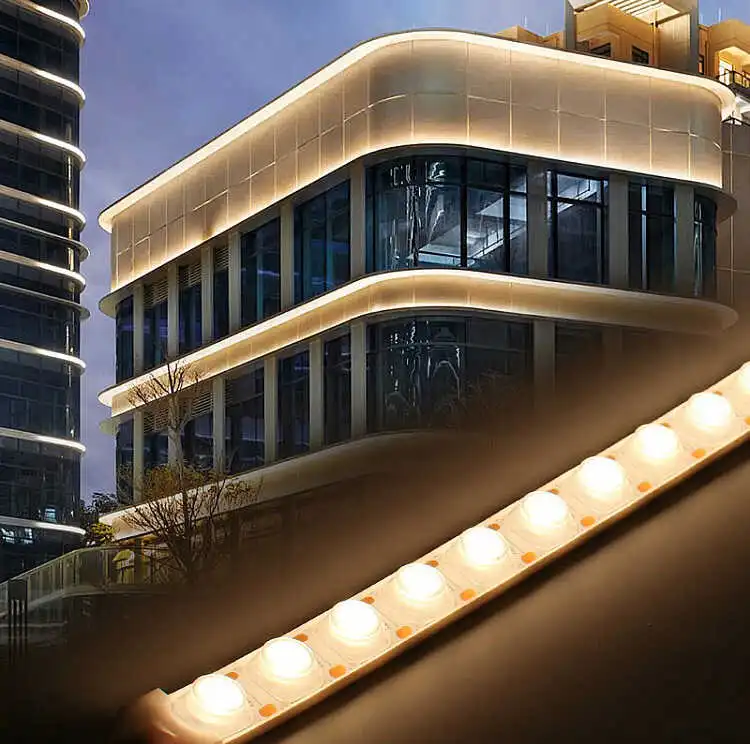
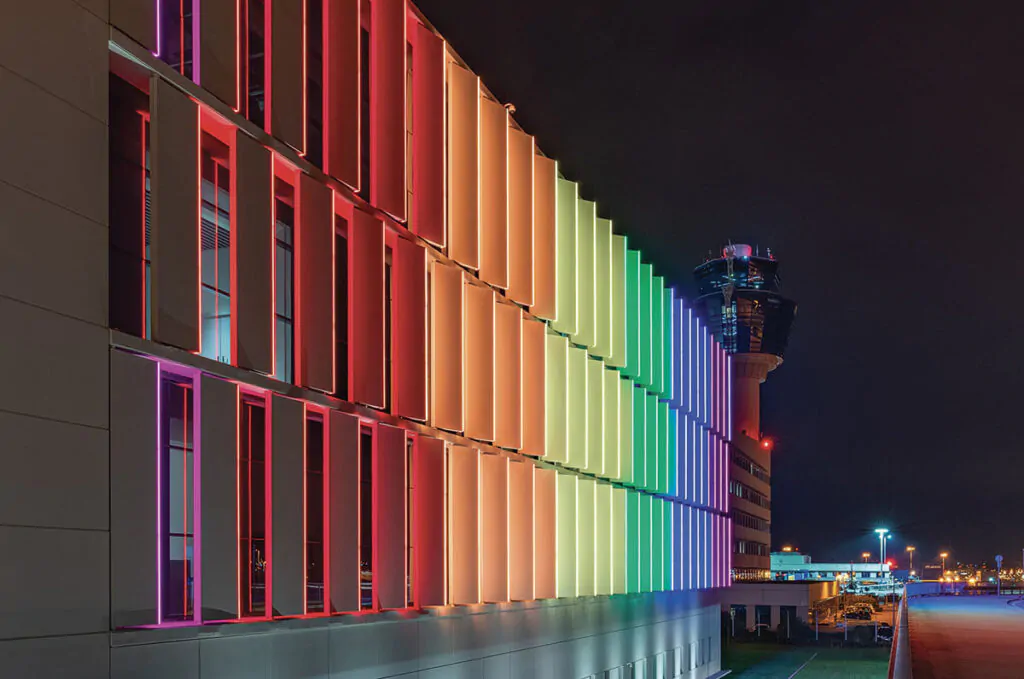
- 🏗️ Outdoor architectural facades — building outlines, cove lighting
- 🚗 Automotive & RV accent lighting — exposed to rain and road spray
- 🛒 Outdoor signage & display cases — weatherproof illumination
- 🌉 Bridge and underpass lighting — high humidity, occasional splashing
IP67 is generally NOT suitable for:
- Swimming pools (direct water contact)
- Fountains or water features
- Any installation where the strip will remain submerged
IP68 LED Strips: Features, Pros, and Best Applications
Technical Specification
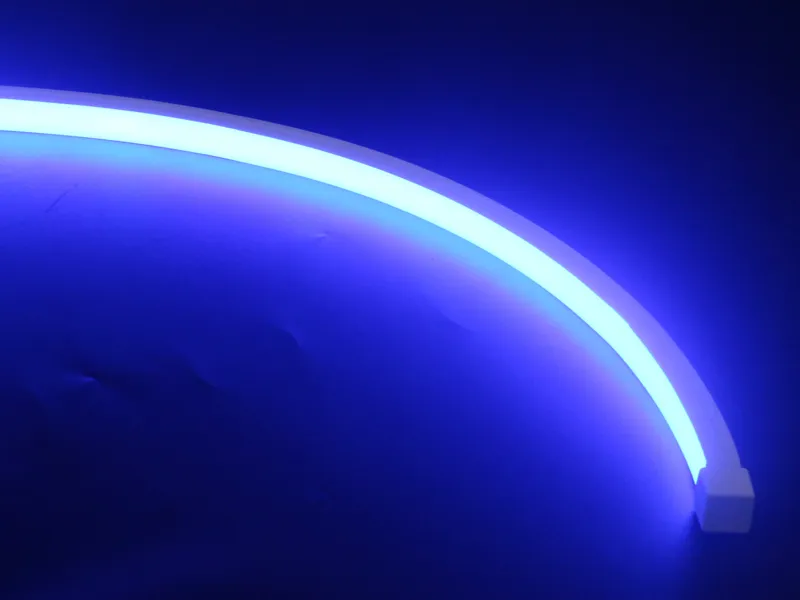
An IP68 LED strip is rated for continuous submersion in water, at a depth and duration agreed upon between the manufacturer and the end user — and must exceed the IP67 test conditions.
Key technical parameters:
- Test depth: Manufacturer-specified (commonly 1m to 3m+)
- Test duration: Continuous (typically 24 hours minimum in testing)
- Pressure: Higher static pressure than IP67
- Dust protection: Fully sealed (6/6)
📌 Important: When buying IP68 strips, always ask the manufacturer for the specific rated depth and duration. “IP68” without a depth specification is incomplete information.
How IP68 Strips Are Manufactured
IP68 requires a more robust sealing process than IP67. The two primary methods are:
① Full Silicone Extrusion (Best Quality) The LED strip is co-extruded with silicone, fully encasing the PCB, LEDs, and solder joints in a solid silicone body. This is the most durable method, offering excellent flexibility and long-term waterproof integrity.
② Epoxy/Silicone Glue Injection (Potting) Liquid silicone or epoxy resin is injected into a channel or sleeve around the strip and cured. This creates a solid, waterproof block. It’s less flexible than extrusion but very effective for static installations.
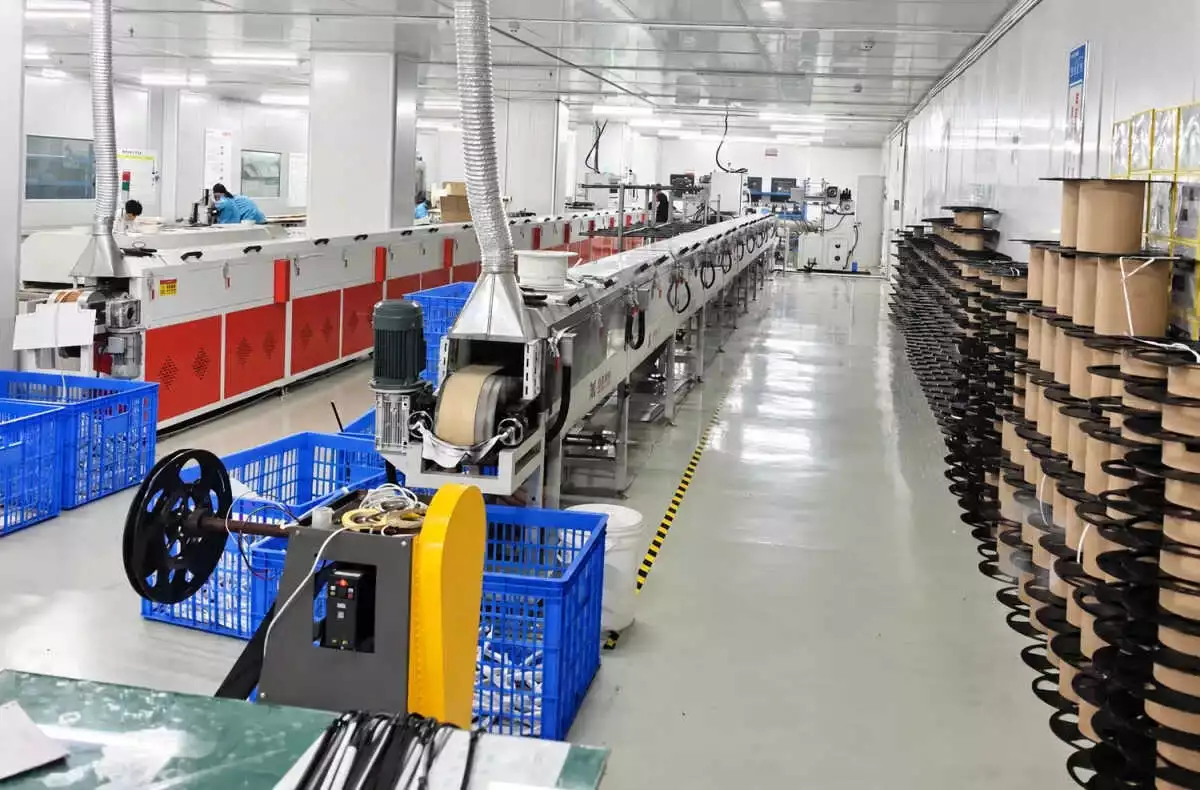
🏭 Manufacturing Insight: At NPHIS LED, our IP68 waterproof LED neon strips use food-grade, anti-UV silicone that maintains clarity and flexibility even after years of submersion. We test every batch to 3 meters for 24 hours before shipment.
✅ Best Applications for IP68 LED Strips
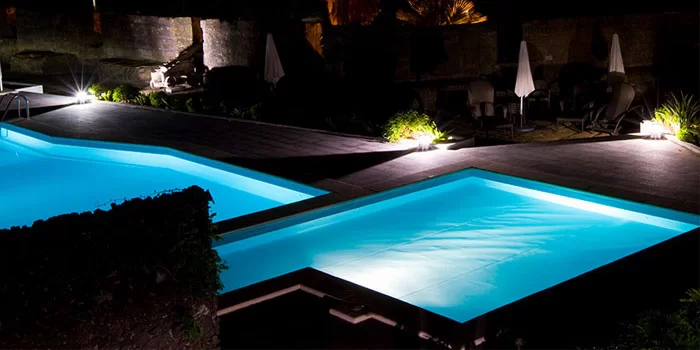
IP68 is the correct choice whenever the strip will be permanently or regularly submerged.
Ideal use cases include:
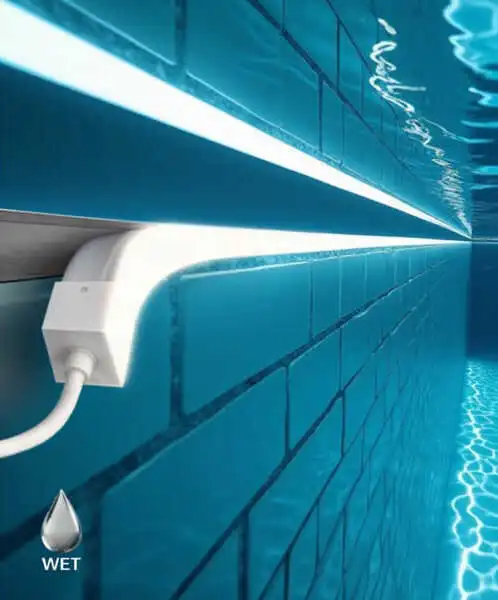
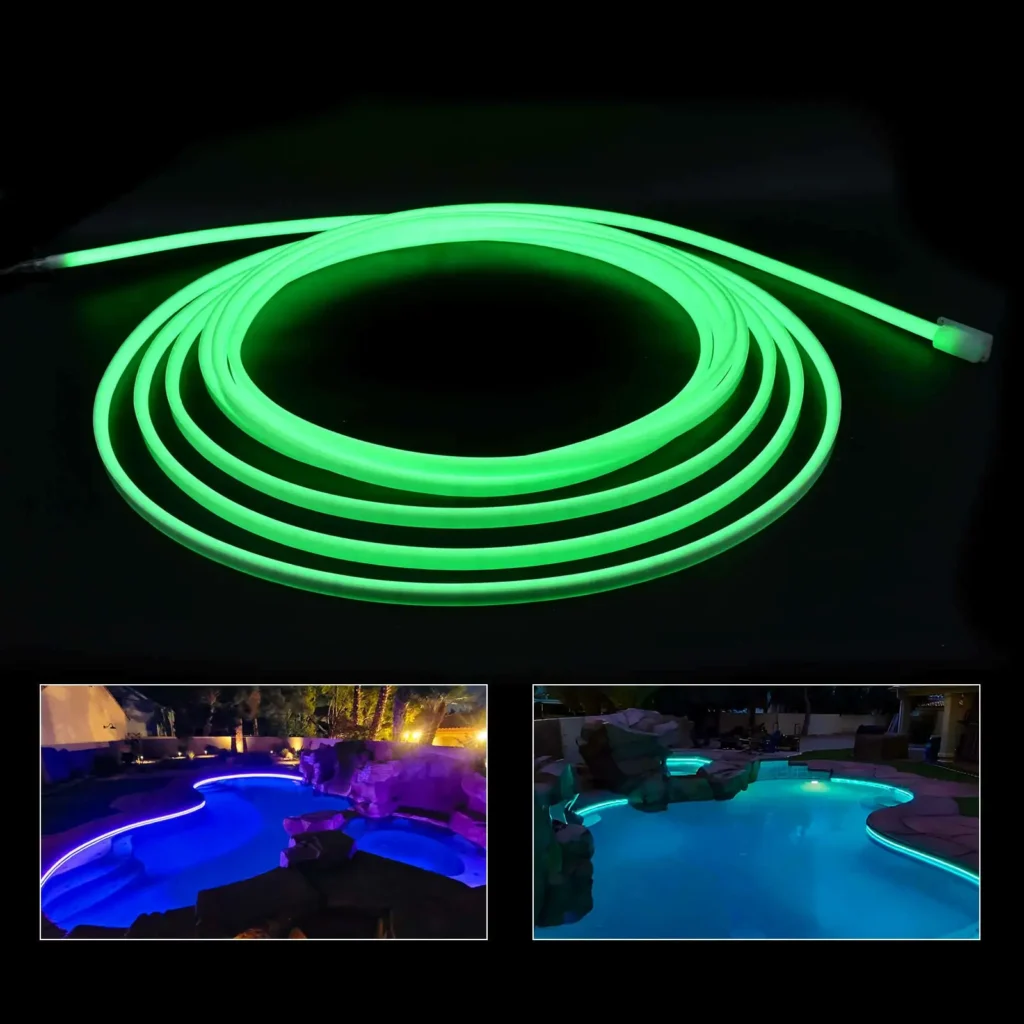
- 🏊 Swimming pools — perimeter lighting, step illumination, underwater ambiance
- ⛲ Fountains & water features — decorative submersible lighting
- 🌊 Ponds & aquariums — fish ponds, decorative water gardens
- 🌧️ Heavy rain exposure zones — tropical climates, monsoon regions
- 🚢 Marine & boat applications — hull lighting, underwater accent
- 🏗️ Coastal architectural lighting — sea spray, salt air environments
- 🛁 Luxury spa & jacuzzi lighting — hot tub perimeter strips
IP67 vs IP68: A Head-to-Head Comparison
This is the table most buyers need. Use it to make a fast, confident specification decision.
| Feature | IP67 | IP68 |
|---|---|---|
| Water Resistance Standard | Temporary immersion — up to 1m for 30 min | Continuous submersion — depth & duration per manufacturer spec |
| Submersion Capability | ❌ Not for permanent submersion | ✅ Designed for permanent submersion |
| Dust Protection | ✅ Fully dust-tight (IP6X) | ✅ Fully dust-tight (IP6X) |
| Typical Rated Depth | 1 meter (test condition) | 1m – 3m+ (manufacturer specified) |
| Encapsulation Method | Silicone tube / PU coating | Full silicone extrusion / epoxy potting |
| Flexibility | ⭐⭐⭐⭐ High (silicone tube) | ⭐⭐⭐ Medium (thicker encapsulation) |
| Heat Dissipation | ⭐⭐⭐⭐ Better (thinner casing) | ⭐⭐⭐ Slightly reduced (thicker casing) |
| UV & Yellowing Resistance | Good (silicone) / Poor (PVC) | Excellent (full silicone extrusion) |
| Price Point | 💲💲 Moderate | 💲💲💲 Higher (15–30% premium typical) |
| Cuttability | ✂️ Yes — but cut ends must be resealed | ✂️ Yes — but cut ends must be resealed |
| Best For | Bathrooms, gardens, facades, covered outdoor | Pools, fountains, ponds, marine, heavy rain |
| Not Suitable For | Permanent submersion | High-pressure jet wash (use IP69K) |
How to Choose the Right Waterproof LED Strip for Your Project
Step 1: Define Your Water Exposure Level
Ask yourself one simple question first:
“Will the strip ever be submerged in water — even temporarily?”
- Never submerged, but exposed to rain/splashing → IP65 or IP67
- Occasionally submerged (flooding, heavy rain pooling) → IP67
- Permanently or regularly submerged → IP68
Step 2: Consider Your Environment
| Environment | Recommended IP | Reason |
|---|---|---|
| Indoor dry rooms | IP20–IP44 | No moisture risk |
| Bathrooms (above shower) | IP44–IP65 | Humidity, no direct water |
| Shower niches / wet areas | IP67 | Direct water contact |
| Outdoor under eaves | IP65–IP67 | Rain exposure, no submersion |
| Outdoor exposed (no cover) | IP67 | Rain, dew, puddles |
| Swimming pools | IP68 | Permanent submersion |
| Fountains / ponds | IP68 | Permanent submersion |
| Marine / coastal | IP68 | Salt water, submersion risk |
| Industrial wash-down | IP69K | High-pressure jets |
Step 3: Don’t Forget the Whole System
This is the most overlooked mistake in waterproof LED installations.
⚠️ Critical: Your LED strip’s IP rating is meaningless if your power supply, connectors, and junction boxes are not equally waterproof.
A complete waterproof system requires:
- ✅ Waterproof LED strip (IP67 or IP68 as required)
- ✅ Waterproof LED driver/power supply (minimum IP65 for outdoor, IP67+ for wet zones)
- ✅ Waterproof connectors — standard push-in connectors are NOT waterproof; use IP67-rated wire connectors with silicone seals
- ✅ Waterproof junction boxes — for all splices and connections
- ✅ Sealed cable entry points — use cable glands to prevent water tracking along wires
Step 4: Consider Long-Term Performance Factors
Beyond the IP rating itself, evaluate:
- Silicone vs PVC encapsulation — silicone lasts 5–10× longer outdoors
- Anti-UV coating — prevents yellowing and brittleness under sunlight
- Operating temperature range — critical for pools (heated) and cold climates
- Lumen maintenance — look for L70 ≥ 50,000 hours for long-term installations
- Salt spray resistance — essential for marine and coastal projects
💡 Pro Tip: For pool installations, always use 24V DC systems rather than 12V. The lower current draw reduces heat buildup inside the waterproof encapsulation, extending strip lifespan significantly.
Why Trust NPHIS LED for Your Waterproof Lighting?
Our Manufacturing Expertise
NPHIS LED is a dedicated LED lighting manufacturer and exporter with deep specialization in waterproof LED strip lights for demanding commercial and architectural applications. Our production facility operates under strict quality management protocols, and every waterproof product line undergoes multi-stage testing before leaving the factory.
What Sets NPHIS LED Apart
① Anti-UV Silicone That Never Yellows
Many manufacturers use standard silicone or PVC that yellows within 1–2 years of UV exposure. NPHIS LED uses premium anti-UV food-grade silicone across all IP67 and IP68 product lines. Our silicone maintains optical clarity and mechanical integrity for 5+ years in direct sunlight conditions.
② Rigorous Waterproof Testing Protocol
Every batch of waterproof LED strips from NPHIS LED undergoes:
- IP67 strips: 1-meter immersion test for 30 minutes, 100% batch sampling
- IP68 strips: 3-meter immersion test for 24 hours, with pressure variance testing
- Salt spray test: 48-hour salt fog exposure for marine-grade products
- Thermal cycling test: -20°C to +60°C cycling to verify seal integrity
③ Full Waterproof System Solutions
We don’t just supply strips. NPHIS LED offers complete waterproof system packages including matched IP67/IP68 power supplies, waterproof connectors, and installation accessories — so your entire system carries consistent protection ratings.
④ Custom Waterproof Solutions
Need a non-standard waterproof LED strip? Our engineering team handles:
- Custom CCT, CRI, and voltage specifications
- Non-standard lengths and reel sizes
- OEM/ODM silicone extrusion profiles
- Special connector configurations for marine and pool applications
Explore our full range of waterproof LED solutions:
- 🔗 Waterproof LED Strip Lights — IP65 / IP67 / IP68 options
- 🔗 Silicone Neon LED Strips — flexible neon with IP67 rating
- 🔗 COB LED Strip Lights — ultra-dense, available in waterproof versions
- 🔗 DMX512 LED Strips — programmable waterproof strips for architectural projects
- 🔗 Custom LED Strip Solutions — non-standard waterproof configurations
FAQs
❓Can I cut IP67 or IP68 LED strips?
Yes — but you must reseal the cut end immediately.
Both IP67 and IP68 strips can be cut at designated cut marks (typically every 3–10 cm depending on the strip type). However, cutting breaks the waterproof seal at that point. If left unsealed, water will enter the encapsulation and travel along the PCB, causing corrosion and failure.
How to reseal a cut end:
- Apply silicone sealant (neutral cure, not acetic acid type) to the cut end
- Use a waterproof end cap matched to your strip’s profile
- Allow full cure time (typically 24 hours) before exposing to water
- For IP68 applications, use heat-shrink tubing with adhesive lining for extra security
⚠️ Note: Resealing a cut end will typically reduce the rating from IP68 to approximately IP67 unless professionally re-potted.
❓Will IP68 LED strips overheat if not used underwater?
Yes — this is a real and important concern.
IP68 strips have thicker encapsulation than IP67 or non-waterproof strips. This reduces thermal dissipation. When used in air (not submerged), heat builds up inside the silicone casing more quickly.
Practical guidelines:
- Keep wattage at or below 80% of rated maximum for air-exposed IP68 strips
- Ensure adequate airflow around the strip — avoid enclosed channels without ventilation
- Consider mounting on an aluminum heat sink profile even for IP68 strips in dry environments
- For high-power applications (>10W/m), submersion or active cooling is strongly recommended
💡 Water is an excellent heat conductor. An IP68 strip running at full power underwater will often run 15–25°C cooler than the same strip in open air.
❓ What is the difference between IP65 and IP67?
IP65 and IP67 are both dust-tight, but their water resistance is very different.
| IP65 | IP67 | |
|---|---|---|
| Water Test | Low-pressure water jet from any direction | Temporary immersion up to 1m for 30 min |
| Submersion | ❌ Not rated for any submersion | ✅ Rated for temporary submersion |
| Typical Encapsulation | Thin silicone coating over strip | Silicone tube or PU potting |
| Flexibility | Very high | High |
| Cost | Lower | Moderate |
| Best For | Outdoor exposed areas, signage, under eaves | Wet areas, bathrooms, garden lighting |
The simple rule: If water can pool around your strip or the strip can be briefly submerged (e.g., during heavy rain or flooding), choose IP67 over IP65. IP65 is only rated for water jets — not immersion of any kind.
❓ How long do IP68 LED strips last underwater?
A quality IP68 LED strip using silicone extrusion should last 3–5 years in continuous submersion, assuming:
- Correct voltage and wattage are maintained
- Water chemistry is controlled (especially for pools — chlorine and pH affect silicone over time)
- UV exposure is managed (UV degrades silicone faster than water alone)
Premium anti-UV silicone, like that used by NPHIS LED, extends this to 5–8 years in typical pool environments.
❓ Can IP67/IP68 LED strips be used in saltwater?
IP67 strips are generally not recommended for saltwater. Salt water is highly corrosive and can penetrate micro-gaps in silicone tube encapsulation over time.
IP68 strips with full silicone extrusion perform significantly better in saltwater, but for marine-grade applications (boats, coastal installations, seawater features), look specifically for:
- Full silicone extrusion (not tube)
- 316 stainless steel or marine-grade aluminum end caps
- Salt spray test certification (typically 48–96 hours per IEC 60068-2-11)
NPHIS LED offers salt-spray-tested IP68 strips for marine and coastal projects — contact our team for specifications.
❓ Do I need a waterproof power supply for IP67/IP68 LED strips?
Absolutely yes. This is one of the most common and costly installation mistakes.
Your LED strip’s IP rating only applies to the strip itself. The power supply (LED driver) is a separate component and must carry its own IP rating appropriate for the installation environment:
- Indoor power supply in a dry cabinet: IP20 acceptable
- Power supply in a covered outdoor enclosure: IP65 minimum
- Power supply near water features or pools: IP67 minimum
- Fully exposed outdoor power supply: IP67–IP68
Always use IP-rated waterproof connectors and cable glands at all entry points. A single unprotected connection point can compromise the entire system.
❓ What's the maximum depth for IP68 LED strips?
There is no single universal answer — it depends on the manufacturer’s specification.
The IEC 60529 standard only requires that IP68 exceeds the IP67 test (1m/30min). The actual rated depth is negotiated between manufacturer and buyer and must be stated on the product datasheet.
Common manufacturer ratings:
- Budget IP68 strips: 1.5m – 2m
- Mid-range: 2m – 3m
- Premium (e.g., NPHIS LED): 3m continuous, tested to 5m
📌 Always request the IP68 test report from your supplier, showing the specific depth and duration tested.
❓ Is IP68 always better than IP67?
Not necessarily — it depends entirely on your application.
IP68 costs more, is slightly less flexible, and dissipates heat less efficiently in air. For the vast majority of outdoor and bathroom applications, IP67 is the better choice — it offers excellent protection without the cost and thermal penalties of IP68.
Choose IP68 only when your strip will be submerged. For everything else, IP67 delivers the right balance of protection, flexibility, and value.
WHY I WRITE THIS
About my business
Our company’s main products include LED flexible light strips, rigid light strips, and linear light fixtures, all of which are manufactured in our own factory or in factories we have been cooperating with for many years.
Our services
Our products are primarily mid-to-high-end, exported to Europe and America. We accept OEM & ODM small-batch orders, and also provide sourcing services in China to help our international clients solve problems. Please contact us if you need our assistance with sourcing.
Contact Profile
Name Ted Lau
Brand Name NPHIS
Country China
Model B2B Wholesale only
Email ted@nphis-led.com
Related Posts
Client Endorsements
Here,we proudly display the brands we have partnered with.






Request a free quote
If you have questions or suggestions,please leave us a message,we will reply you as soon as we can!
Join Our Newsletter
Subscribe to receive our latest updates in your inbox!