

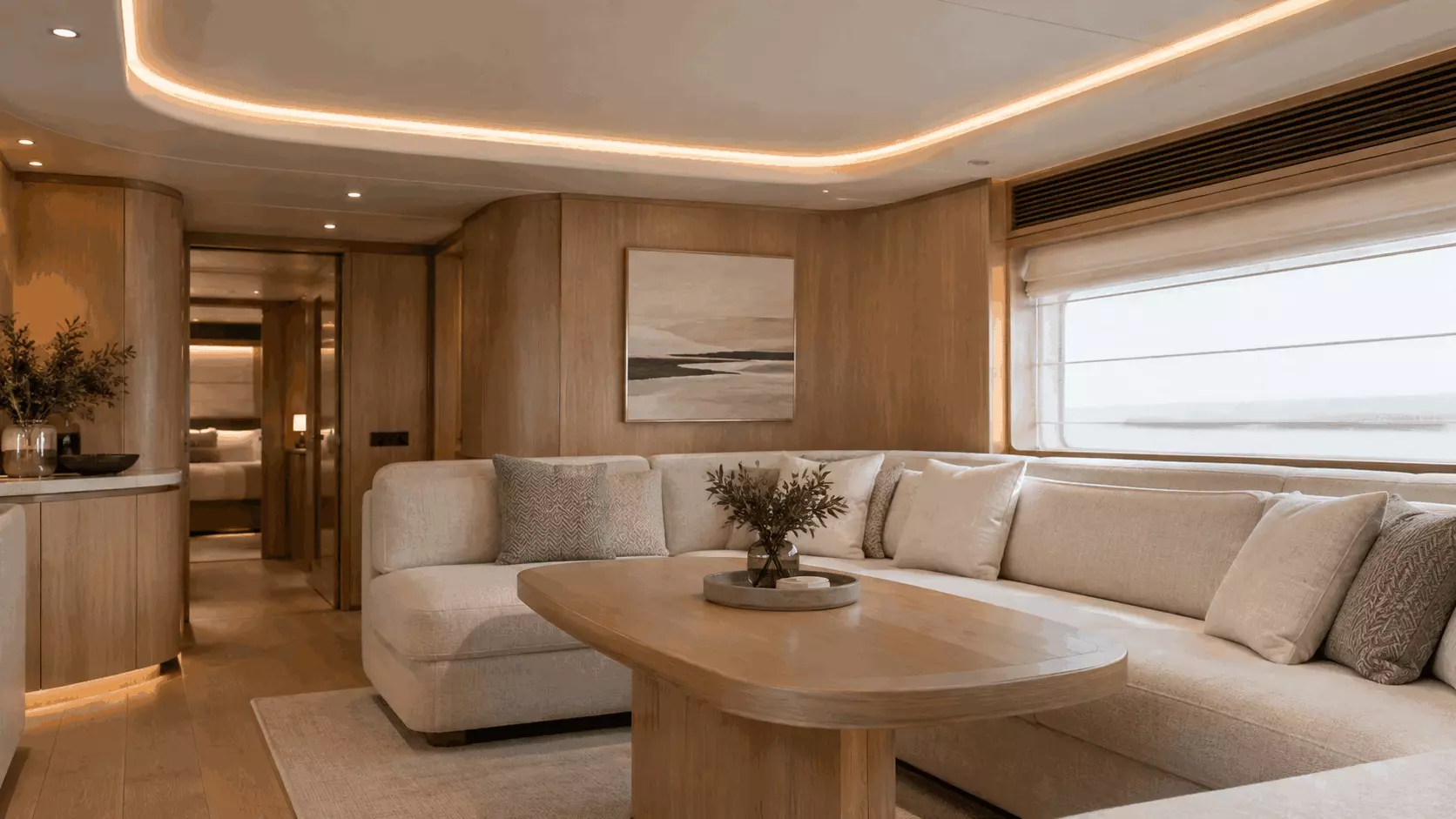
The best lighting for a sauna or steam room is a purpose-built, high-temperature resistant LED strip rated for at least 100°C operating temperature and IP67 or IP68 waterproofing. Standard LED strips will fail — and potentially create a safety hazard — in the extreme heat and humidity of a sauna environment. Only silicone-encapsulated, heat-rated LED strips deliver the safety, longevity, and ambiance that modern sauna and spa spaces demand.
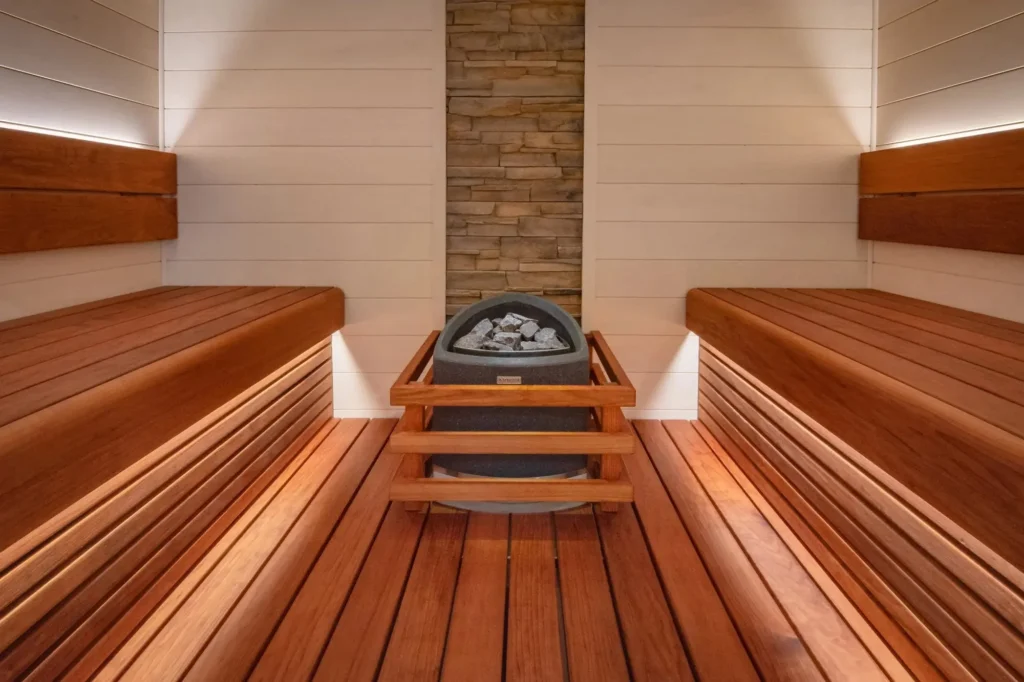
Whether you’re a B2B contractor, a spa designer, or a DIY homeowner upgrading your home sauna, this guide covers everything you need to know — from the science of heat resistance to practical buying tips.
The Unique Challenges of Sauna & Steam Room Lighting
A sauna is one of the harshest environments you can install lighting in. Most standard electrical components simply aren’t built for it. Here’s why it’s so different.
Extreme Heat
A traditional Finnish sauna typically runs between 70°C and 100°C (158°F–212°F). Infrared saunas are slightly cooler at 45°C–65°C, but still far above normal room temperature. Steam rooms operate at around 40°C–55°C but with near 100% relative humidity.
According to Geyser Steam Room’s setup guide, traditional saunas reach 70–90°C with humidity briefly spiking when water hits hot stones.
Standard LED strips use PVC or acrylic coatings that soften, crack, and delaminate above 60°C. The adhesive backing fails. The circuit board warps. The result? Flickering lights, short circuits, or worse — a fire risk.
High Humidity and Moisture
Steam rooms maintain humidity levels close to 100% at all times. Even a dry sauna sees sudden humidity spikes every time water is poured on the stones (löyly).
This moisture penetrates any unsealed fixture. It causes:
- Corrosion on copper PCB traces
- Condensation inside the LED lens, causing light scatter
- Short circuits from water ingress
- Mold growth inside poorly sealed housings
This is why IP rating is non-negotiable for sauna lighting — and why standard IP20 or IP44 strips are completely unsuitable.
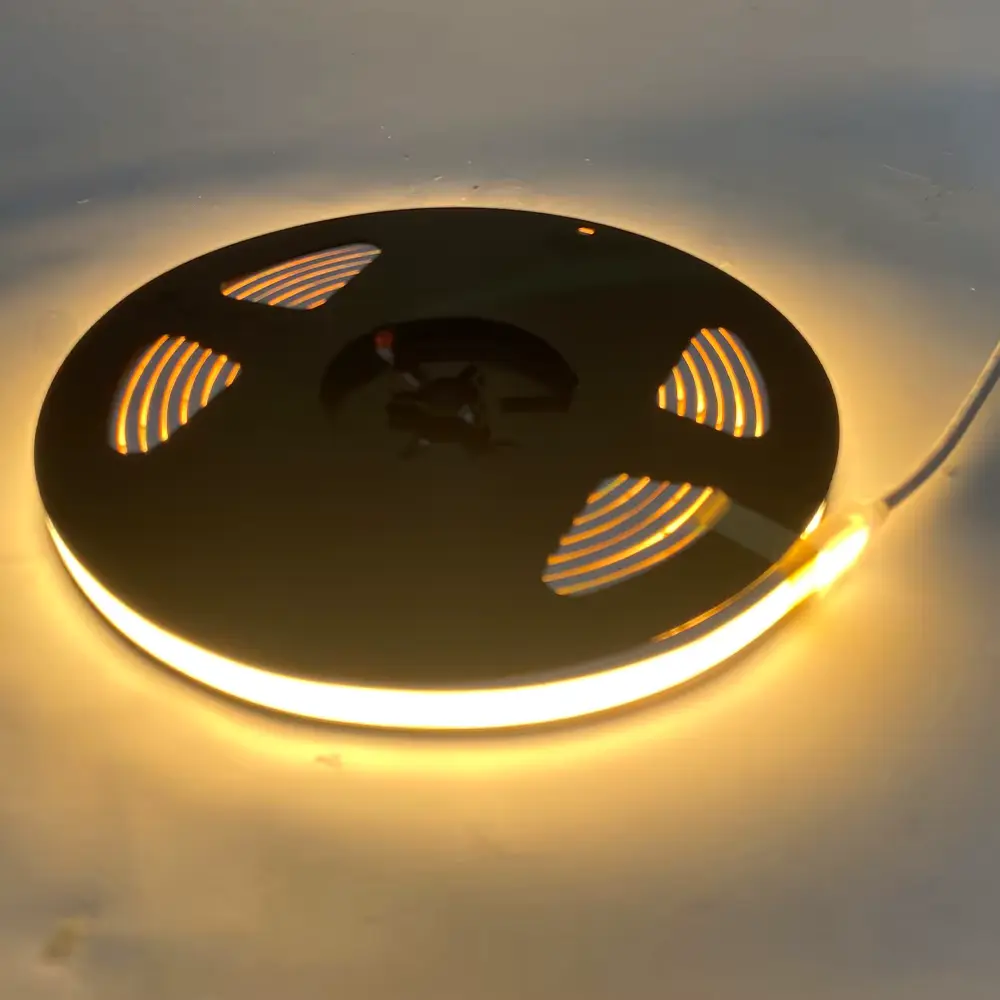
What Are High-Temperature Resistant LED Strips?
High-temperature resistant LED strips are engineered specifically for extreme environments. They differ from standard strips in three key ways:
1. Silicone Encapsulation
Instead of PVC, these strips use 100% pure silicone as the outer jacket. Silicone remains flexible and stable from -40°C to +200°C. It doesn’t yellow, crack, or off-gas toxic fumes at high temperatures. This is the single most important material upgrade.
2. High-Temp PCB Substrate
The circuit board itself uses polyimide (Kapton) film or high-Tg FR4 material instead of standard FR4. These substrates maintain structural integrity above 130°C, preventing board warping and solder joint failure.
3. Rated LED Chips
The LED chips are binned and tested for high-junction-temperature operation. Quality sauna-grade strips use chips with a maximum junction temperature (Tj) of 150°C or higher, ensuring stable lumen output even in prolonged heat exposure.
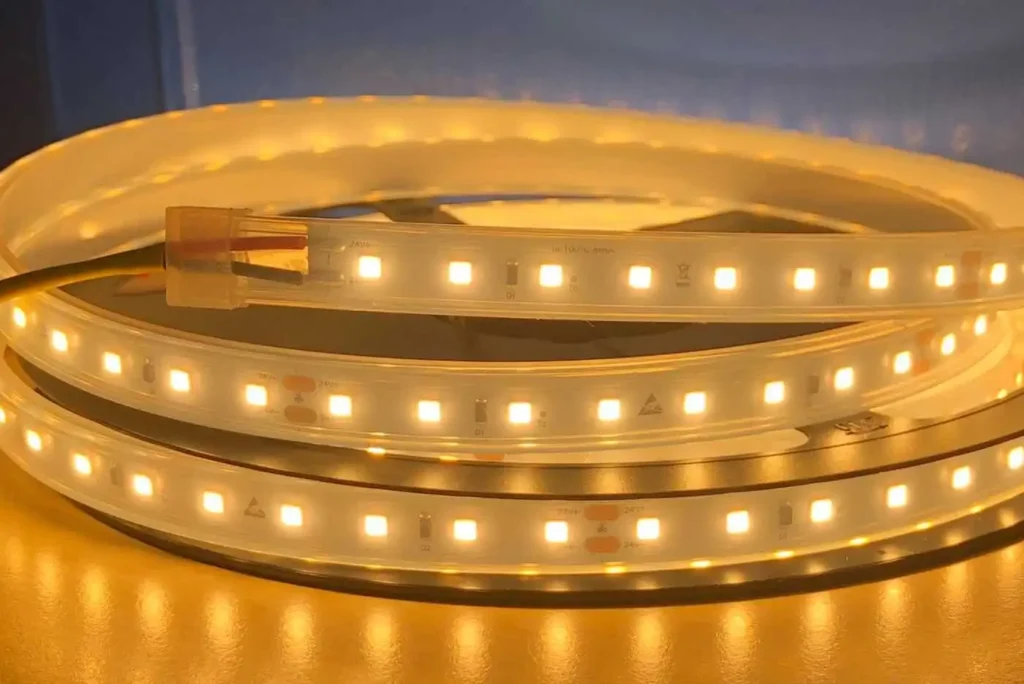
Key Specs at a Glance
| Specification | Standard LED Strip | High-Temp Sauna LED Strip |
|---|---|---|
| Outer Jacket Material | PVC / Acrylic | 100% Pure Silicone |
| Max Operating Temp | 50°C – 60°C | 100°C – 120°C |
| IP Rating | IP20 – IP44 | IP67 – IP68 |
| PCB Substrate | Standard FR4 | Polyimide / High-Tg FR4 |
| Lifespan in Sauna | Weeks to months | 30,000 – 50,000+ hours |
| Humidity Resistance | Low | Full submersion rated |
| Safe for Steam Room? | ❌ No | ✅ Yes |
Table 1: Standard LED Strip vs. High-Temperature Sauna LED Strip — Key Specification Comparison
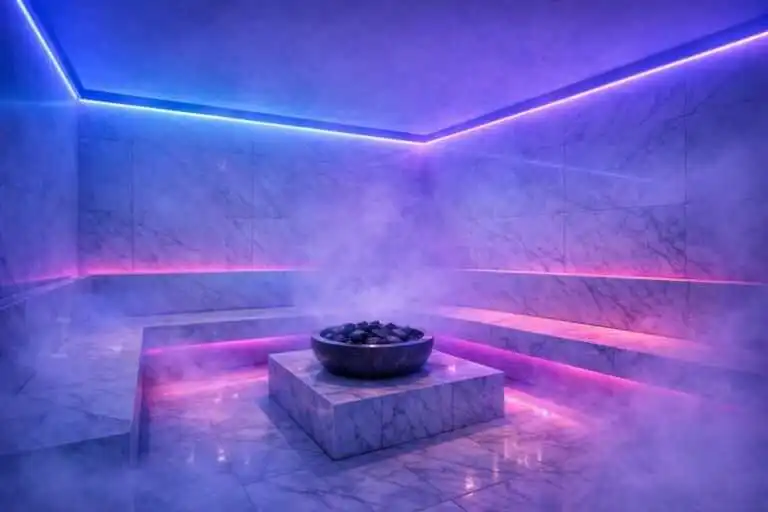
Top 4 Benefits of Using High-Temperature Resistant LED Strips
Upgrading to the right strip isn’t just about survival — it’s about getting the best possible performance for your investment.
1. Unmatched Safety
This is the most critical benefit. Using the wrong lighting in a sauna is a genuine electrical hazard.
- Silicone-jacketed strips won’t melt or release toxic fumes at operating temperatures
- IP68-rated sealing prevents water ingress even under direct steam exposure
- Low-voltage DC operation (12V or 24V) dramatically reduces shock risk in wet environments
- CE, RoHS, and UL-compliant products meet international electrical safety standards
⚠️ Pro Tip: Always install the LED driver and transformer outside the sauna room, in a cool, dry location. Only the strip itself should be inside the hot zone.
2. Long-Lasting Durability
A quality high-temp LED strip installed correctly can last 30,000 to 50,000 hours — even in a sauna.
Compare that to a standard strip, which may fail within weeks. The math is simple:
- Standard strip at 2 hours/day use: fails in weeks → replacement cost every season
- High-temp silicone strip at 2 hours/day use: 40+ years of theoretical lifespan
The upfront investment pays for itself many times over. For commercial spas and wellness centers, this means lower maintenance costs and fewer operational disruptions.
3. Energy Efficiency
LED technology is already 80–90% more energy efficient than traditional incandescent or halogen sauna bulbs. High-temp LED strips maintain this advantage:
- Typical power draw: 4W – 14W per meter
- Equivalent light output to a 40W–60W halogen fixture
- No UV or IR radiation in the beam — all energy goes to visible light
- Instant-on with no warm-up time needed
For a commercial sauna running 8 hours per day, switching from halogen to LED strips can save hundreds of dollars per year in electricity alone.
4. Customizable Ambiance
This is where high-temp LED strips truly shine — literally.
Warm White for Relaxation
A 2700K–3000K warm white color temperature mimics candlelight. It creates the calm, earthy atmosphere that sauna culture is built on. Studies show warm amber light promotes relaxation and helps lower cortisol levels.
RGB Chromotherapy
RGB and RGBW high-temp strips enable full chromotherapy (color light therapy) in your sauna or steam room. Research published in wellness literature suggests:
- 🔵 Blue light — calming, reduces anxiety
- 🟢 Green light — balancing, promotes harmony
- 🔴 Red light — energizing, stimulates circulation
- 🟡 Amber/Yellow — uplifting, promotes mental clarity
This feature is especially popular in commercial spas, hotel wellness suites, and luxury home saunas where the full sensory experience is a selling point.
How to Choose the Right LED Strips for Your Sauna
Not all “sauna LED strips” on the market are created equal. Here’s what to check before you buy.
Check the IP Rating
The Ingress Protection (IP) rating tells you how well a fixture is sealed against dust and water. For sauna and steam room use:
| Installation Location | Recommended IP Rating |
|---|---|
| Dry Sauna — Upper Wall / Ceiling | IP65 Minimum |
| Dry Sauna — Near Stones / Floor | IP67 |
| Steam Room — Any Location | IP67 – IP68 |
| Outdoor Sauna / Hot Tub Surround | IP68 |
Table 2: Recommended IP Rating by Sauna or Steam Room Installation Location
According to Simply Secured’s sauna LED guide, a sauna LED strip must pass both IP67 moisture rating and ≥105°C operating temperature — two specs that many budget listings hide or omit.
IP67 means the strip can withstand temporary immersion in water up to 1 meter for 30 minutes. IP68 means continuous submersion — the gold standard for steam rooms.
Verify the Temperature Tolerance
Always check the maximum operating temperature in the product datasheet — not just the IP rating.
- Minimum acceptable for sauna use: ≥ 100°C
- Recommended for Finnish sauna (near stones): ≥ 120°C
- Steam room: ≥ 85°C with IP68 rating
Be cautious of products that only list IP rating without specifying temperature tolerance. A strip can be IP68 rated but still fail at 70°C if it uses a PVC jacket.
Select the Right Color Temperature
| Color Type | Kelvin Range | Best For |
|---|---|---|
| Warm White ⭐ Most Popular | 2700K – 3000K | Traditional sauna, relaxation |
| Natural White | 3500K – 4000K | Steam rooms, reading areas |
| RGB / RGBW | Tunable | Chromotherapy, luxury spas |
| Tunable White | 2700K – 6500K | Versatile commercial installs |
Table 3: LED Color Temperature Guide — Choosing the Right CCT for Sauna & Steam Room
For most residential saunas, 2700K warm white is the go-to choice. For commercial wellness centers, a tunable white or RGBW strip gives you maximum flexibility.
Also Consider These Factors
- Voltage: 24V DC is preferred over 12V for longer runs with less voltage drop
- CRI (Color Rendering Index): CRI ≥ 90 ensures natural, flattering skin tones — important in spa settings
- Dimming compatibility: Ensure the strip works with your chosen dimmer or smart controller
- PCB width: Narrower strips (8mm) fit inside aluminum profiles and under bench edges more cleanly
- Certifications: Look for CE, RoHS, and ideally UL or ETL listing for North American projects
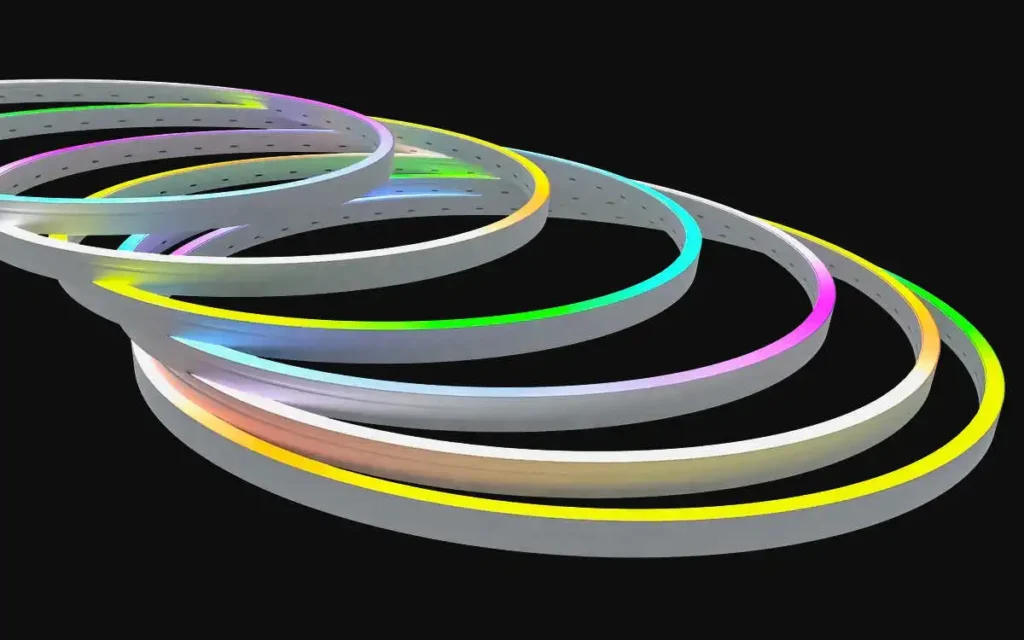
For a deeper dive into our full range of flexible and silicone-based options, explore the NPHIS-LED Silicone Neon Flex and COB LED Tape Light — both engineered with premium silicone construction for demanding environments.
Upgrade Your Sauna Today
Lighting is the most underrated element of a great sauna experience. Get it wrong, and you risk safety hazards, premature failures, and a flat, uninspiring atmosphere. Get it right, and you transform your sauna into a true wellness sanctuary.
Here’s a quick recap of what you need:
✅ Silicone-encapsulated construction — not PVC
✅ IP67 or IP68 rated — for full moisture protection
✅ ≥ 100°C operating temperature — verified on the datasheet
✅ 24V DC low-voltage — for safety in wet environments
✅ 2700K–3000K warm white (or RGB for chromotherapy)
✅ CE/RoHS certified — from a verified manufacturer
Ready to Source the Right Strip?
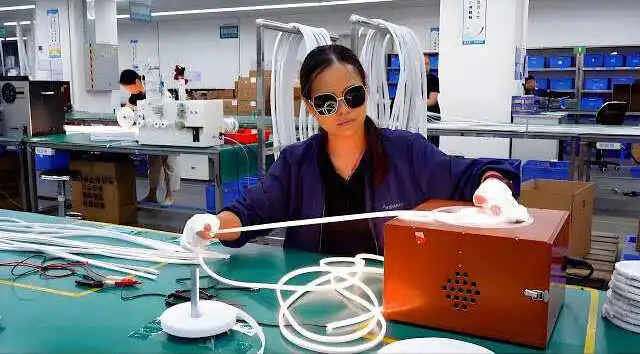
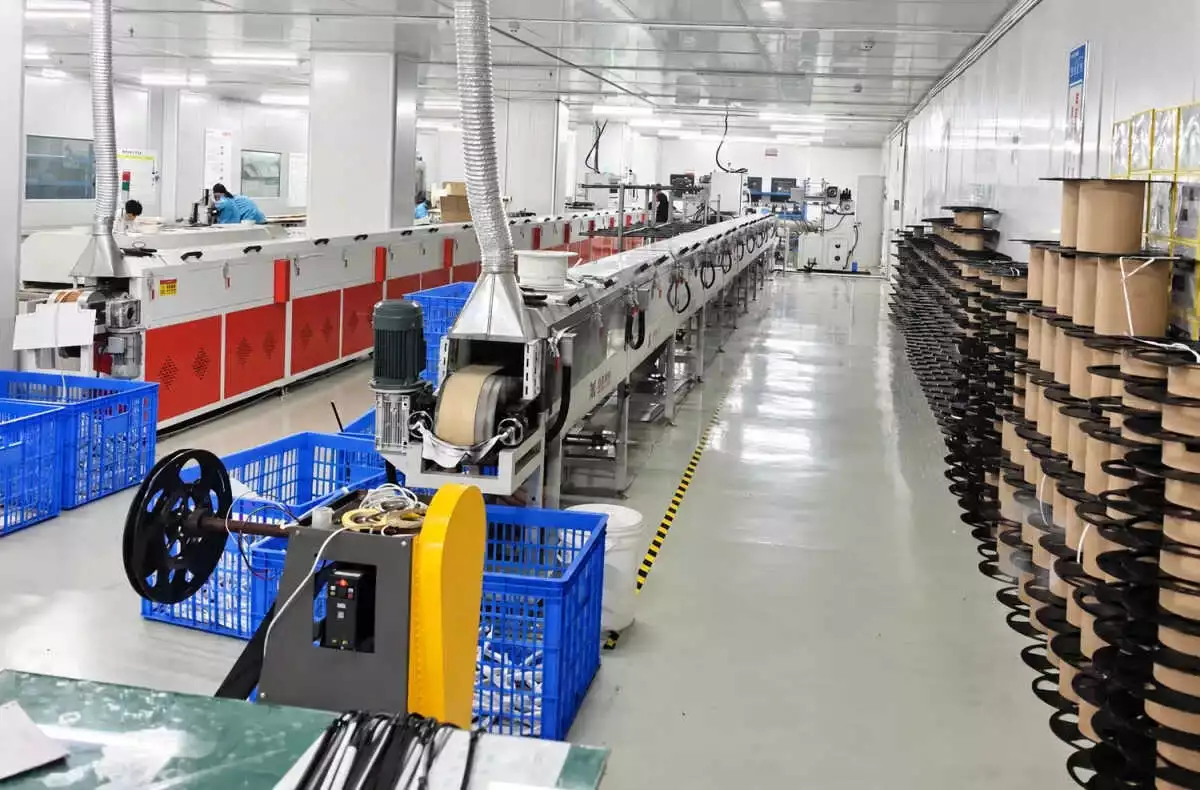
At NPHIS-LED, we’ve been manufacturing premium LED strips since 2012. Our factory operates a high-standard dust-free SMT production workshop with imported placement machines, and every batch undergoes rigorous high/low-temperature cycling and 24-hour aging tests before shipment.
We offer:
- 🔧 Full custom specifications — PCB width, CCT, voltage, IP rating
- 🏷️ White-label & OEM/ODM — your brand, our engineering
- 📦 Bulk wholesale pricing — factory-direct with fast 10–15 day lead times
- 🌍 Global compliance — CE, RoHS, REACH; UL/ETL available on request
- 💬 Dedicated B2B support — response within 12 hours
Whether you’re outfitting a single home sauna or sourcing for a chain of luxury wellness hotels, we have the capacity, certifications, and expertise to deliver.
👉 Contact NPHIS-LED now for a free sample and custom quote →
Browse our full product range including LED Flexible Strips, LED Rigid Strip Lights, and LED Power Supplies to find the perfect solution for your project.
FAQs
❓️ Can normal LED strips be used in a sauna?
No. Standard LED strips use PVC jackets and are typically rated for a maximum of 50°C–60°C. A sauna regularly reaches 80°C–100°C. Using a standard strip in a sauna will cause the coating to soften, the adhesive to fail, and the circuit board to warp — creating a fire and electrical hazard. Always use strips specifically rated for ≥100°C with an IP67 or IP68 waterproof rating.
❓️Where should LED strips be placed in a sauna?
The most popular and effective placements are:
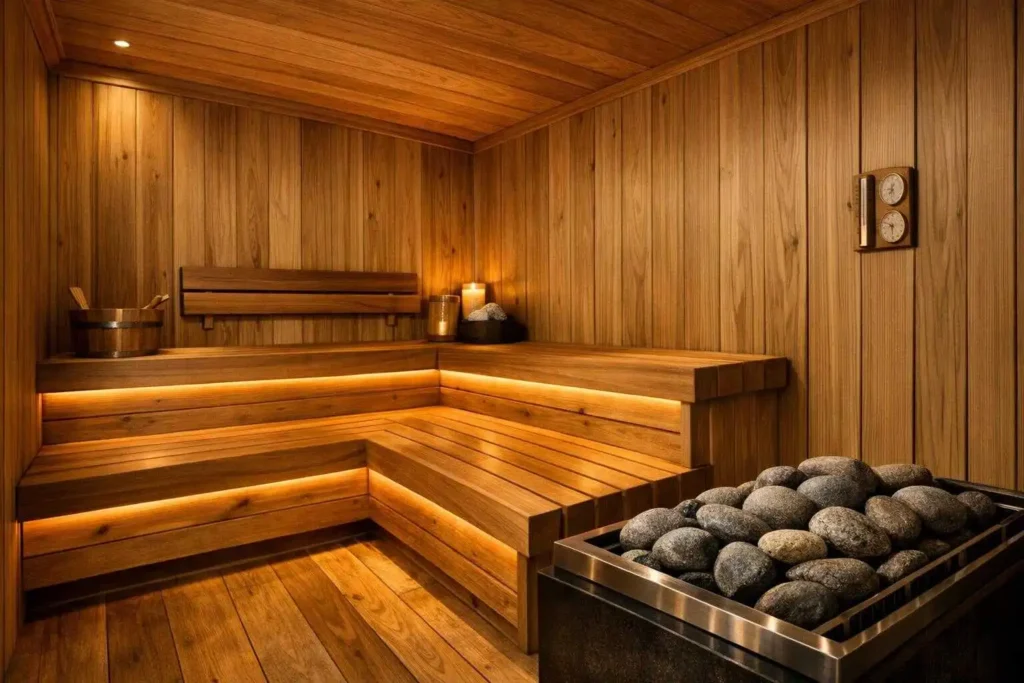
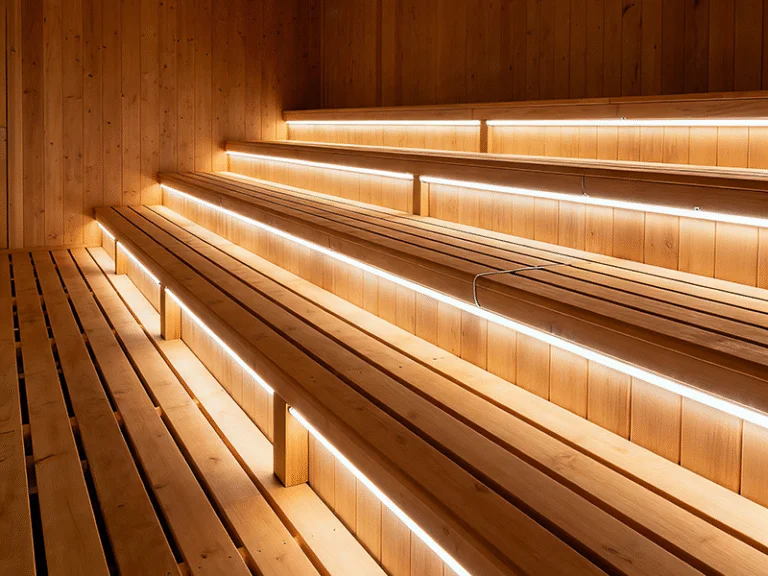
- Under the benches — creates a warm, floating glow without direct glare in the eyes
- Along the floor perimeter — defines the space and adds depth
- Behind the backrest — indirect backlighting for a premium spa feel
- Under the ceiling cornice — diffused ambient light that fills the whole room
- Around the sauna heater surround — accent lighting (keep a safe distance from the stones)
Avoid placing strips directly above the heater or on the ceiling directly above the stones, where temperatures are highest.
❓️What IP rating do I need for a steam room?
For a steam room, you need a minimum of IP67, and IP68 is strongly recommended. Steam rooms maintain near-100% relative humidity continuously, which is far more aggressive than a dry sauna. IP68 means the strip is rated for continuous water submersion — the only rating that provides a true safety margin in a steam environment.
❓️What voltage is safest for sauna LED lighting?
24V DC is the recommended voltage for sauna LED strips. Low-voltage DC systems (12V or 24V) are inherently safer in wet environments than mains-voltage (110V/220V AC) systems. 24V is preferred over 12V because it allows longer runs with less voltage drop, which is important for larger sauna installations. Always install the driver/transformer outside the sauna room.
❓️How long do high-temperature LED strips last in a sauna?
A quality high-temp silicone LED strip, properly installed, is rated for 30,000 to 50,000 hours of operation. At 2 hours of daily use, that’s over 40 years of theoretical lifespan. In practice, expect 10–20 years of reliable service in a well-maintained sauna. This is dramatically longer than halogen or incandescent sauna bulbs, which typically last 1,000–2,000 hours.
❓️Can I use RGB LED strips for chromotherapy in a sauna?
Yes, provided the RGB strip is rated for high-temperature and high-humidity use (IP67/IP68, ≥100°C). RGB and RGBW silicone LED strips are increasingly popular in luxury saunas and commercial spas for chromotherapy. Blue light promotes calm, red light stimulates circulation, and green light creates a balancing effect. Ensure your RGB controller is also installed outside the hot zone.
❓️What color temperature is best for sauna lighting?
2700K warm white is the gold standard for traditional sauna lighting. It creates a soft, amber glow that complements the natural wood tones and promotes relaxation. For steam rooms or multi-purpose wellness spaces, 3000K–3500K offers a slightly crisper light while remaining warm and inviting. Avoid cool white (5000K+) in sauna settings — it feels clinical and disrupts the relaxation experience.
❓️Do I need a special driver/transformer for sauna LED strips?
Yes — but the driver itself does not go inside the sauna. You need a quality constant-voltage LED driver (12V or 24V DC) that is:
- Sized correctly for your total wattage (add 20% headroom)
- Installed in a cool, dry, ventilated location outside the sauna
- Ideally IP67-rated if it’s in a bathroom or humid adjacent space
NPHIS-LED supplies compatible LED power supplies including Meanwell-brand drivers for professional installations.
❓️Are high-temperature LED strips more expensive than standard strips?
They cost 20%–50% more upfront than standard LED strips. However, when you factor in the dramatically longer lifespan (50,000 hours vs. a few hundred hours in a sauna), the cost-per-hour of operation is significantly lower. For commercial installations, the reduced maintenance and replacement costs make high-temp strips the clear economic choice.
❓️How do I install LED strips in a sauna safely?
Follow these key steps:
- Plan your layout — measure all runs and calculate total wattage
- Install the driver outside the sauna, in a dry, ventilated space
- Use silicone sealant on all cable entry points through the sauna wall
- Mount strips in aluminum profiles where possible for heat dissipation and a clean finish
- Test before closing walls — run the sauna to full temperature and check all connections
- Use low-voltage connectors rated for the operating temperature
- Consult a licensed electrician for all mains-voltage wiring
WHY I WRITE THIS
About my business
Our company’s main products include LED flexible light strips, rigid light strips, and linear light fixtures, all of which are manufactured in our own factory or in factories we have been cooperating with for many years.
Our services
Our products are primarily mid-to-high-end, exported to Europe and America. We accept OEM & ODM small-batch orders, and also provide sourcing services in China to help our international clients solve problems. Please contact us if you need our assistance with sourcing.
Contact Profile
Nam Ted Lau
Brand Name NPHIS
Country China
Model B2B Wholesale only
Email ted@nphis-led.com
Related Posts
Client Endorsements
Here,we proudly display the brands we have partnered with.






Request a free quote
If you have questions or suggestions,please leave us a message,we will reply you as soon as we can!