
By NPHIS LED — April 1, 2026

Table of Contents
- Market Overview
- Why Silicone LED Neon Is Winning
- Key Decoration Trends in Europe & America
- Market Growth Figures
- Outlook for the Rest of 2026
- Sources
Market Overview
Silicone LED neon lights have become the defining decoration product of early 2026, rapidly displacing traditional glass neon and PVC-based alternatives in both residential and commercial spaces across Europe and North America. Driven by energy efficiency mandates, a booming hospitality sector, and the rise of social-media-driven interior aesthetics, demand has reached a new peak — and industry analysts say the momentum shows no sign of slowing.
The global LED neon lights market was valued at over USD 1.91 billion in 2025 and is projected to reach USD 3.94 billion by 2035, growing at a compound annual growth rate (CAGR) of approximately 7.5%. A parallel report places the broader neon lighting market on an even steeper trajectory, with a CAGR of 10.1% from 2026 to 2033.
Why Silicone LED Neon Is Winning
Industry experts consistently single out silicone-housed LED neon flex as the superior product category for both indoor and outdoor decoration. Unlike PVC alternatives, silicone offers UV resistance, weatherproofing, and impact tolerance — making it equally suited for a rain-soaked London shopfront or a sun-baked Californian patio.
- Energy savings: Modern silicone LED neon systems consume up to 60% less electricity than legacy glass neon, with operating lifespans exceeding 50,000 hours.
- Color accuracy: CRI values above 90 ensure precise color rendering — critical for brand signage and retail environments.
- Instant-on performance: No warm-up time; full brightness is delivered immediately, unlike fluorescent or HID alternatives.
- Flicker-free operation: High-frequency drivers eliminate flicker, reducing eye strain in residential and hospitality settings.
- Eco credentials: Mercury-free formulations and recyclable components align with EU RoHS directives and US EPA guidelines.
Key Decoration Trends in Europe & America
Across both continents, three core decoration use-cases are driving the current wave of silicone LED neon adoption:
1. Home & Residential Interiors
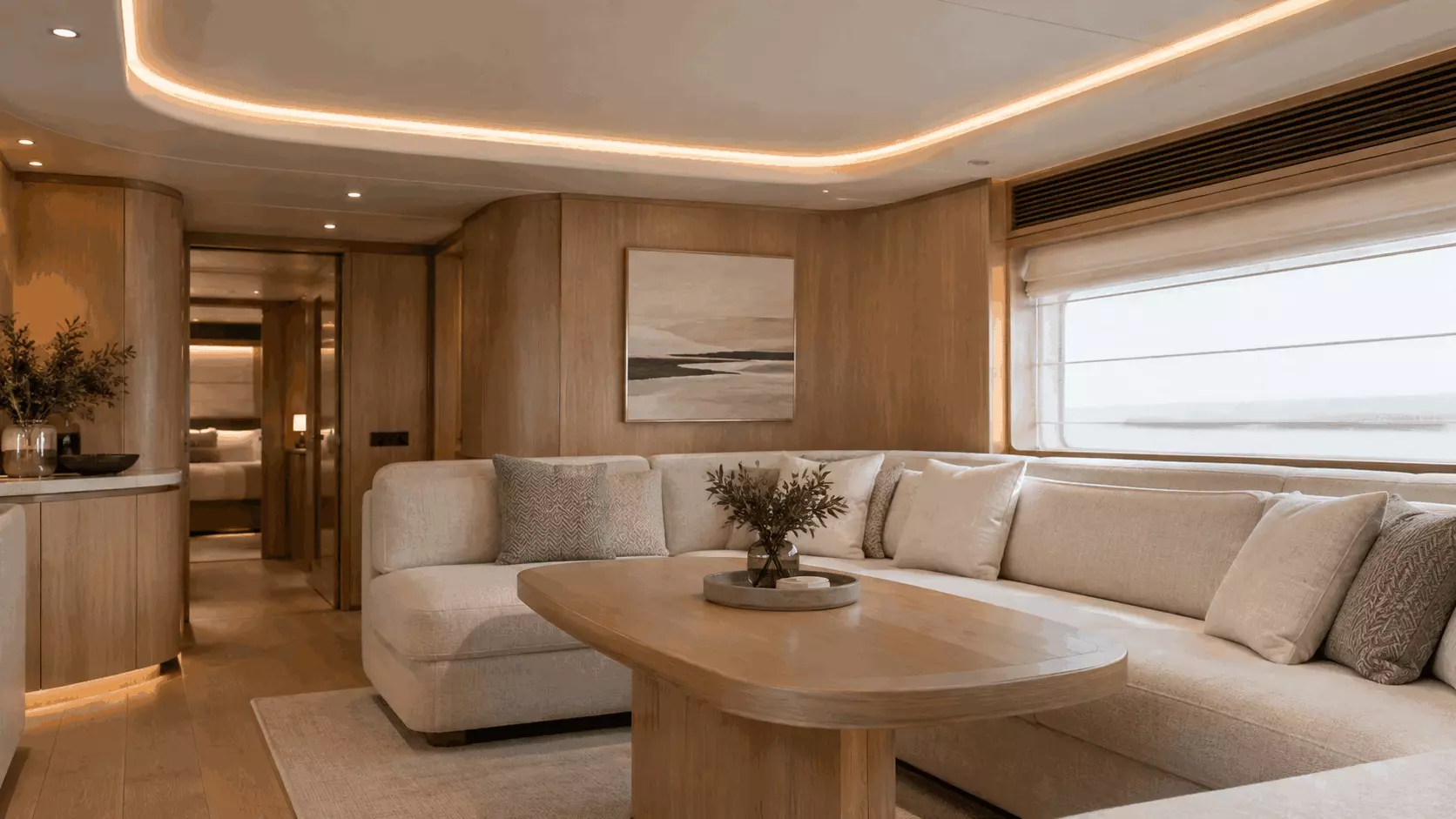
Custom neon signs have become a staple of modern home decor, particularly in living rooms, home offices, and entertainment spaces. Warm white tones, personalized text, and minimalist shapes dominate consumer demand in 2026. Platforms like Instagram and Pinterest continue to amplify the trend, with "neon wall art" searches at record highs.
2. Hospitality & Retail Commercial Spaces
Hotels, bars, restaurants, and boutique retailers across the UK, France, Germany, and the US are deploying silicone LED neon for architectural accent lighting and branded signage. The hotel and entertainment sectors are cited as the fastest-growing commercial segments, with smart integration — including remote dimming and programmable sequences — becoming a standard specification.
3. Outdoor Architectural Lighting
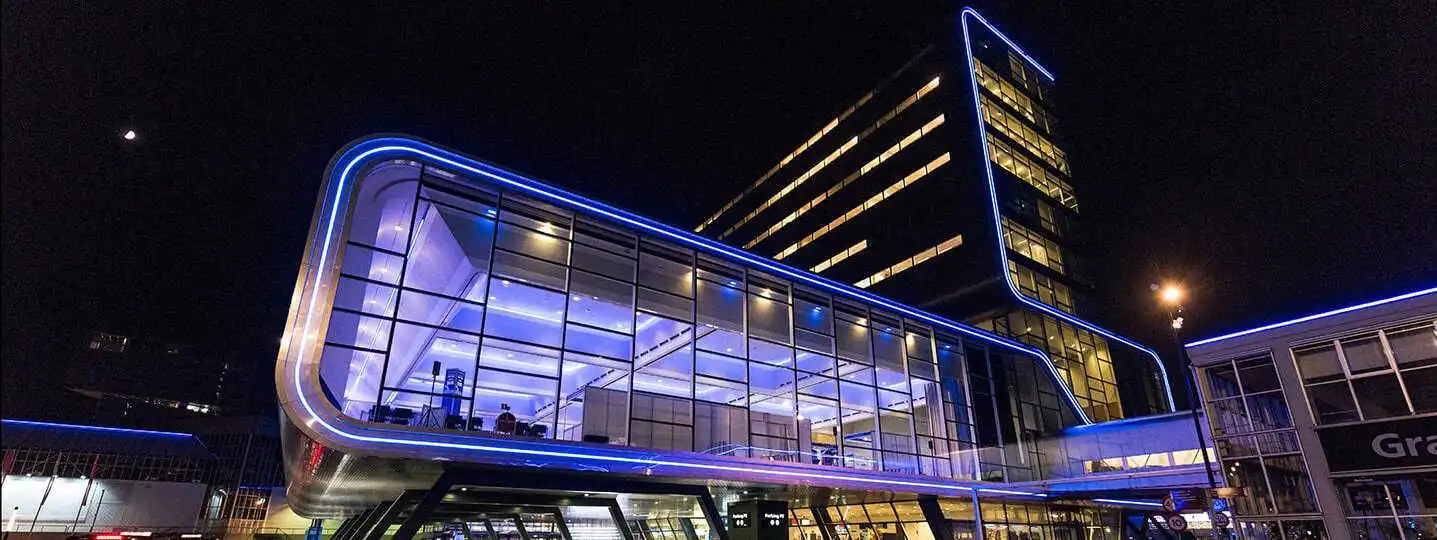
Flexible silicone neon strips are increasingly used for building facade outlines, garden feature lighting, and outdoor event installations. Their IP65–IP68 weatherproof ratings make them the go-to choice for year-round outdoor use in Northern European climates and coastal US markets alike.
Market Growth Figures
| Metric | Figure | Source |
|---|---|---|
| Global LED Neon Market Value (2025) | USD 1.91 Billion | Research Nester, 2025 |
| Projected Market Value (2035) | USD 3.94 Billion | Research Nester, 2025 |
| LED Neon CAGR (2026–2035) | 7.5% | Research Nester, 2025 |
| Broader Neon Lighting CAGR (2026–2033) | 10.1% | LinkedIn Market Report, 2026 |
| Energy saving vs. legacy glass neon | Up to 60% | USky LED, January 2026 |
| Typical operating lifespan | 50,000+ hours | USky LED, January 2026 |
Outlook for the Rest of 2026
The silicone LED neon segment is expected to outpace the broader neon market through the remainder of 2026, driven by three converging forces: tightening EU energy efficiency regulations pushing commercial buyers away from glass neon; the continued growth of online retail channels making custom LED neon accessible to residential consumers; and rising demand from the North American hospitality sector as post-pandemic venue refurbishments continue.
Manufacturers are responding with modular, smart-enabled silicone neon systems that integrate with home automation platforms — a feature set that is rapidly shifting from premium to standard across the industry. For decoration buyers in Europe and America, silicone LED neon is no longer a novelty. It is the new baseline.
NPHIS LED supplies wholesale silicone LED neon flex and strip lights for B2B buyers globally. Visit nphis-led.com to explore the full product range.
Sources
- USky LED — "Top Neon Lights Recommended by Experts in 2026" (January 13, 2026)
- Research Nester — "LED Neon Lights Market Size, Share, Growth & Forecast 2026–2035" (September 16, 2025)
- LinkedIn Pulse — "Neon Lighting Market Revolution: Size, Share & Emerging Trends 2026–2033"
- Lamomo Neon — "2025 Neon Sign Trends for Home Decor"
- NPHIS LED — "2026 LED Strip Lights Trends: B2B Global Buyer Guide"