

As a leading manufacturer of high-quality LED lighting solutions, NPHIS specializes in exporting premium products such as flexible LED strip lights, rigid LED bars, flexible LED neon strips, COB LED strips, RGB color-changing LED strips, backlit LED strips for advertising signs, and shelf lighting rigid LED bars. In the face of evolving global trade dynamics, particularly the US tariff policies impacting Chinese exports in 2026, the European Union (EU) LED market presents both challenges and significant opportunities for supply chain optimization and growth in specialized segments like automotive LED lighting systems and smart agricultural LED grow lights.
1. US Tariffs'Spillover Effects: Accelerating EU LED Supply Chain Restructuring
The US tariff policy in 2026 continues to exert profound influence on global trade, with adjustments including a 25% ad valorem tariff on certain semiconductors and derivative products, encompassing light-emitting diodes (LEDs) under specific HTS codes such as 8541.10.00. This policy, aimed at bolstering domestic manufacturing, has led to a projected 25-30% decline in Chinese LED exports to the US, prompting a broader “regionalization” of supply chains.
In the EU, this spillover is evident in shifting import patterns. According to recent data, China’s share of EU LED component imports has decreased from 58% in 2023 to around 50% by 2025, with emerging markets like Vietnam, Indonesia, and Mexico filling the gap by up to 25-30%. EU companies, facing extended inventory cycles now averaging 70 days to mitigate risks, are increasingly sourcing from localized hubs in Eastern Europe.
A key industry pivot: Major EU players like Osram and Signify (formerly Philips) have redirected over 35% of their LED module orders to facilities in Poland, Romania, and Hungary, as per the 2025 European Lighting Association report. This restructuring not only reduces dependency on Chinese supplies but also enhances resilience against tariff-induced disruptions.

For businesses seeking reliable alternatives, explore our range of flexible LED strip lights for EU market compliance to ensure seamless integration into restructured supply chains.
2. Technological Barrier Upgrades: EU LED Standards Elevated for 2026
Amid tariff pressures, the EU is fortifying its market entry requirements, emphasizing sustainability and efficiency. The Ecodesign for Sustainable Products Regulation (ESPR), effective since 2024, mandates LED luminous efficiency of at least 140lm/W by 2026, a 20% hike from prior standards, effectively phasing out 20% of low-end imports.
Smart lighting protocols, such as mandatory Matter-compatible certifications from TÜV Rheinland, have raised export costs for Chinese smart LED products by 15-20%. This aligns with the EU’s Green Deal, promoting circular economy practices like digital product passports by 2027.
Chinese innovators are responding: Companies like San’an Optoelectronics have expanded R&D in the Czech Republic with investments exceeding €30 million, developing COB LED chips compliant with ERP Lot 37 standards. For EU buyers, this means access to advanced, tariff-resilient solutions.
To navigate these upgrades, consider our COB LED strips for high-efficiency applications, designed to meet the latest EU energy regulations.
3. Structural Opportunities: Five Key Segmented Areas Driving Growth
The EU LED market is projected to reach USD 25.87 billion in 2026, growing at a CAGR of 4.78% through 2031, fueled by regulatory pushes and innovation. Here are the top growth engines:
3.1 Automotive LED Lighting Revolution
The EU’s 2035 ban on new combustion-engine vehicles is surging demand for automotive LEDs. Models like the Volkswagen ID. Buzz incorporate over 300 LED modules, a 350% increase over traditional vehicles. The EU automotive LED sector is forecasted to surpass €4.5 billion by 2026.
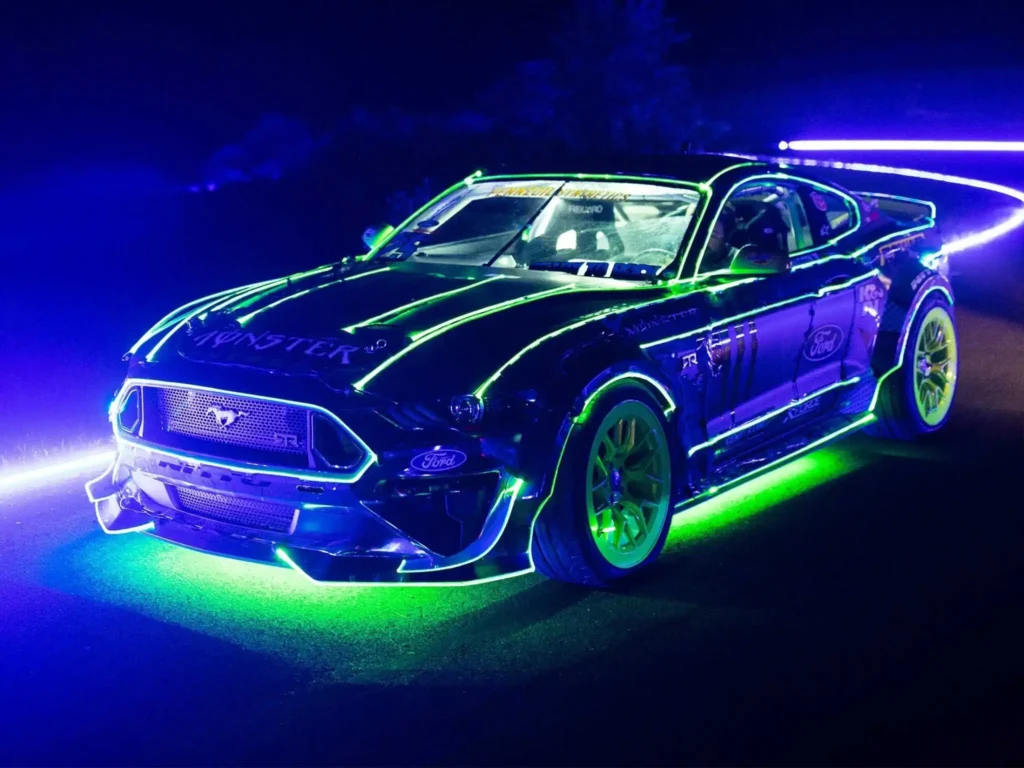
Discover how our RGB color-changing LED strips for automotive customization can capitalize on this trend.
3.2 Smart Agricultural LED Lighting Systems
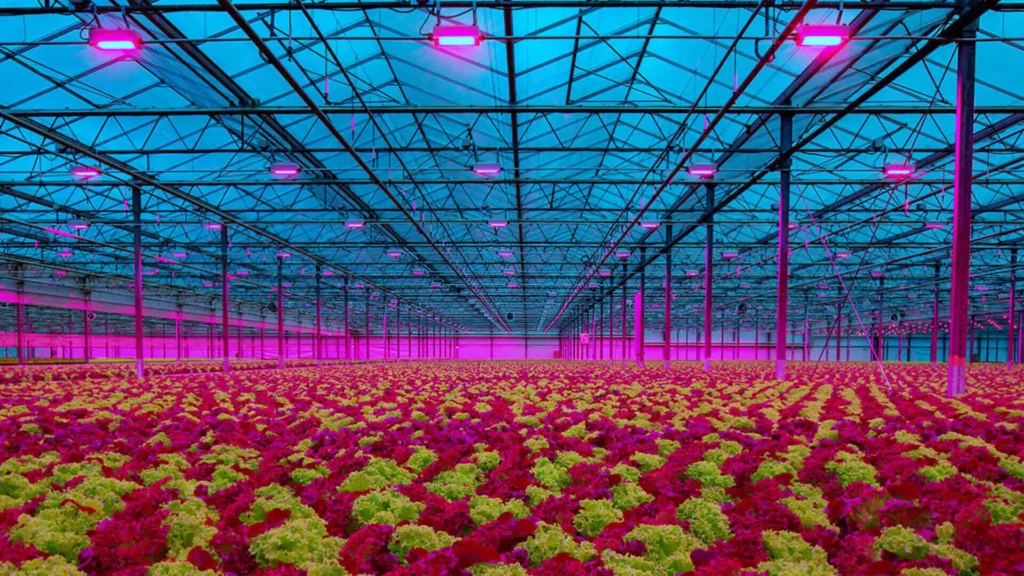
Vertical farming in the Netherlands, using tailored LED spectra, boosts crop yields by 2.5 times, driving a 20% annual growth in agricultural LEDs. EU subsidies under the Common Agricultural Policy support this expansion.
3.3 Linear LED Lighting in Commercial Buildings
France’s 2025 Building Energy Performance Directive requires LED linear systems in new constructions, with projects like Paris urban renewal generating €350 million in demand.

Integrate our rigid LED bars for building illumination for energy-efficient compliance.
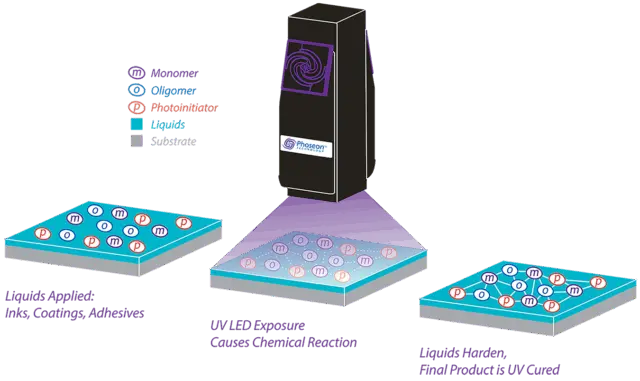
3.4 Industrial UV LED Curing Applications
Collaborations like BASF’s with Chinese partners have cut energy use by 65% in UV curing, backed by EU Horizon Europe funding.
3.5 Flexible and Neon LED Strips for Advertising and Retail
Rising demand for dynamic signage has spotlighted flexible LED neon strips and backlit solutions, with the EU market for advertising LED strips growing 18% annually.
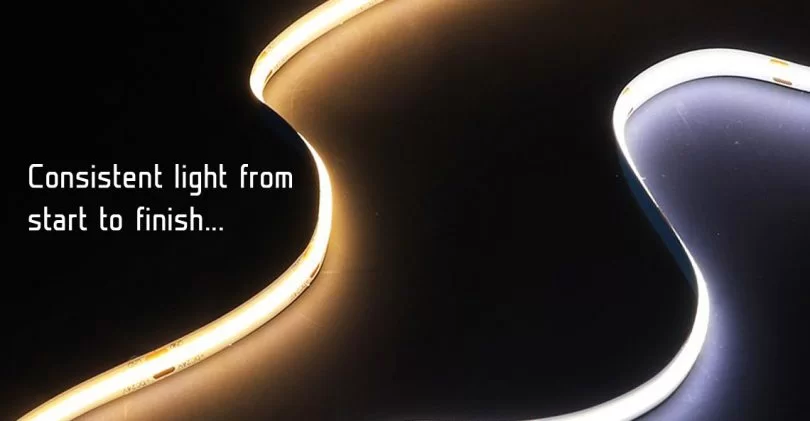
Check our flexible LED neon strips for advertising signs and backlit LED strips for lightboxes.
For a deeper dive into tariff impacts, watch this insightful YouTube video: This is Europe’s Leverage Against Trump’s Tariffs.
4. Strategic Breakthroughs for Chinese Enterprises: Localization 3.0 Model
Chinese firms are adapting through “Localization 3.0,” emphasizing smart manufacturing. For instance, investments in Hungarian “smart factories” enable 36-hour EU deliveries. Compliance via DLC 6.0 certifications, supervised by TÜV, boosts product premiums by 25%.
Data-driven services, using embedded chips for real-time monitoring, align with the EU’s CSRD Directive.
FAQs
What impact will US tariffs have on EU LED strip light prices in 2026?
Tariffs on Chinese LEDs could increase costs by 20-25%, but localized sourcing and EU incentives may stabilize prices for compliant products like flexible LED strip lights.
How can EU businesses comply with new LED efficiency regulations?
Adopt products meeting ≥140lm/W standards, such as our COB LED strips, and leverage digital passports under ESPR for seamless market access.
What are the growth prospects for automotive LED lighting in the EU?
With the 2035 fuel vehicle ban, the market is set to exceed €4.5 billion, ideal for RGB color-changing LED strips in electric vehicles.
How is China's LED supply chain adapting to tariffs?
Through diversification to Vietnam and Mexico, reducing US dependency while maintaining EU exports via localized R&D.
Where can I find reliable suppliers for flexible LED neon strips in the EU?
NPHIS offers tariff-resilient, high-quality options with fast delivery from our German warehouse—visit https://nphis-led.com for details.
Conclusion: Embracing Specialization, Agility, and Compliance in the EU LED Market
As an ISO/TS 16949-certified LED manufacturer, NPHIS operates a 35,000 sqm bonded warehouse in Duisburg, Germany, with a dedicated team for CE certification, optical design, and supply chain support. Navigate US tariffs and EU regulations with our tailored solutions—contact us to seize opportunities in the 2026 EU LED market.
Related Posts
3D Bend Silicone Neon Flex: Flexible Lighting for Complex Architectural Designs
Ted Lau
July 14, 2026
Client Endorsements
Here,we proudly display the brands we have partnered with.






Request a free quote
If you have questions or suggestions,please leave us a message,we will reply you as soon as we can!