

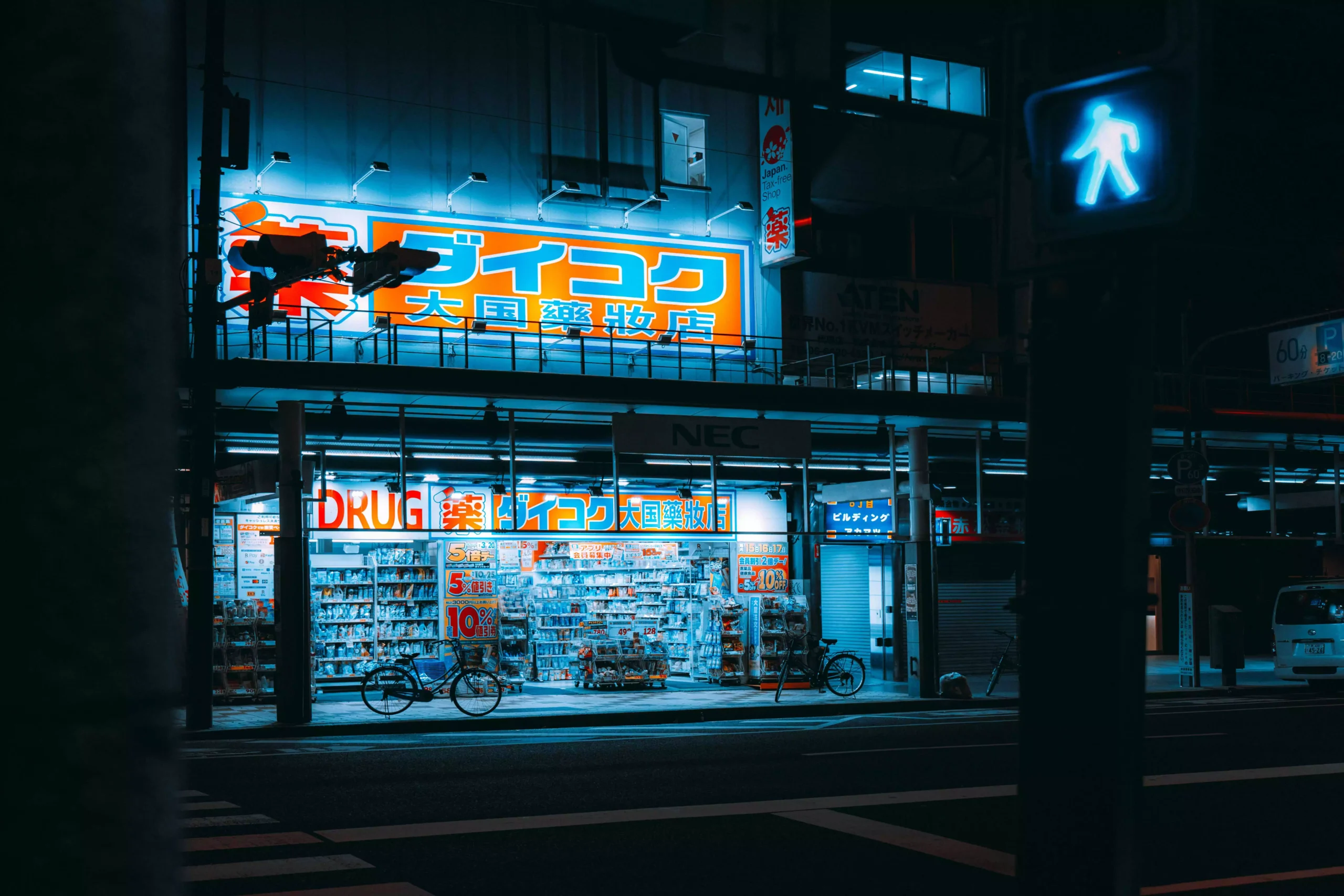
Switching from old fluorescent tubes to modern LEDs feels amazing. It’s a smart, eco-friendly move that transforms spaces. Imagine brighter, longer-lasting light without the buzz. This guide dives deep into why and how, from an LED expert’s view.
Why Upgrade Fluorescent Lights to LEDs?
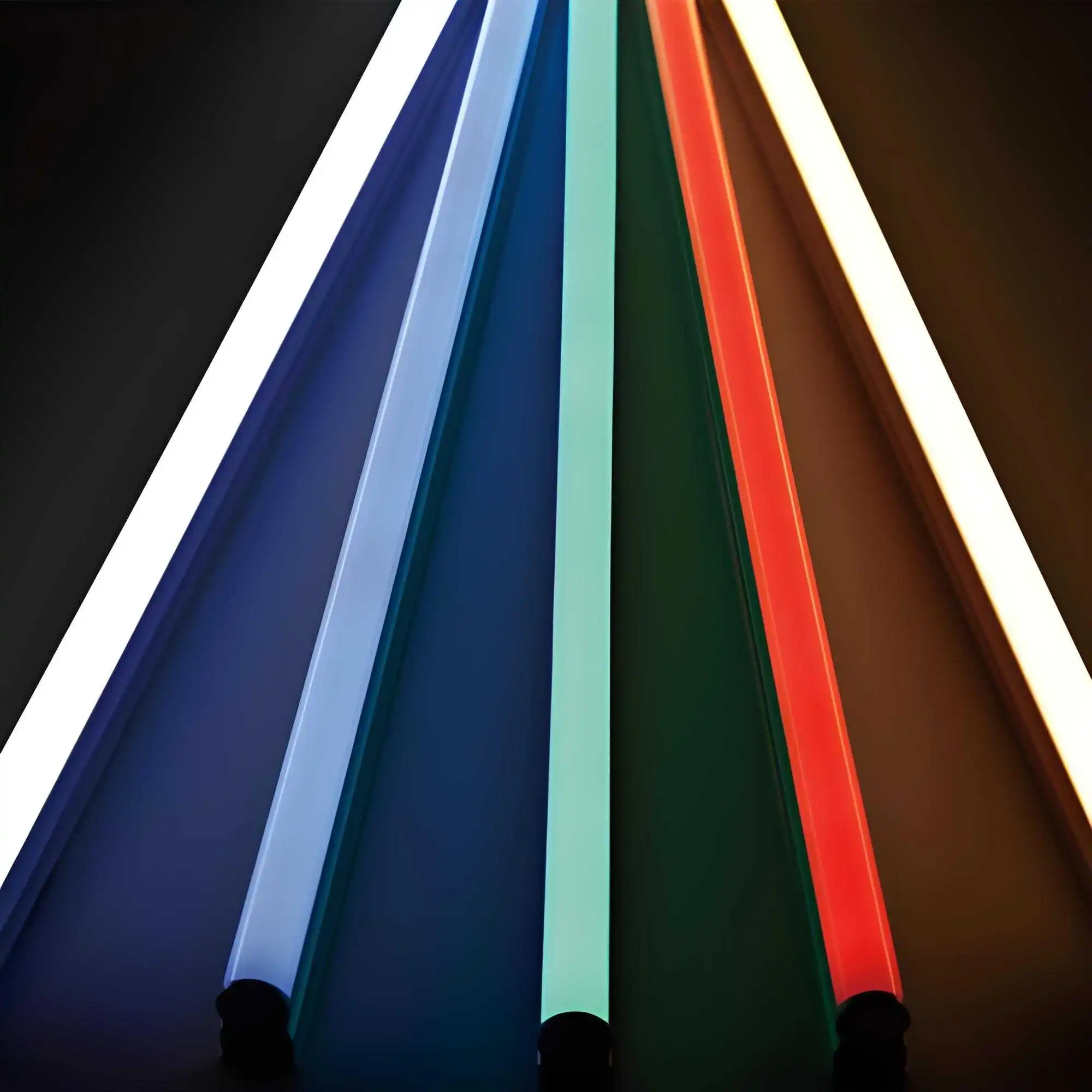
Fluorescent tubes are fading out. LEDs shine brighter in every way. They cut energy use and boost reliability.
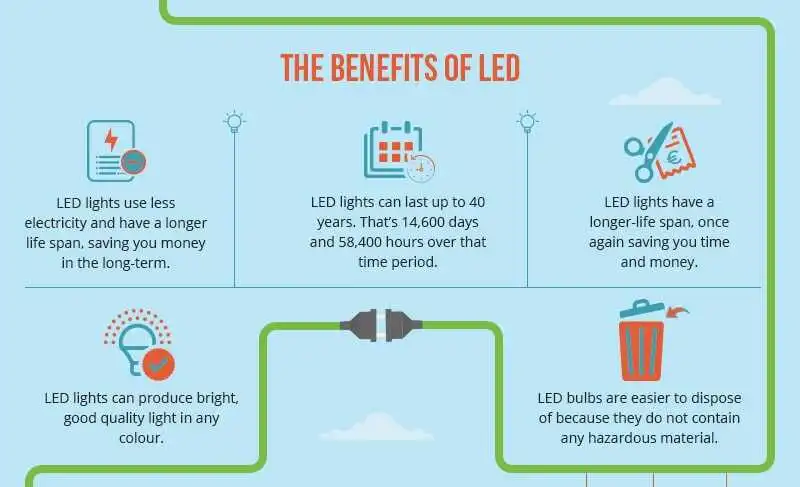
Massive Energy Savings
LEDs slash power bills by up to 70%. They turn more electricity into light, not heat. For businesses, this means huge savings over time.
Think about your office or warehouse. Old fluorescents waste energy. LEDs deliver the same brightness with less wattage. It’s a win for your wallet and the planet.
Longer Life and Less Maintenance
Fluorescent tubes burn out fast. LEDs last 50,000 hours or more. That’s years of reliable light.
No more constant replacements. In industrial settings, this reduces downtime. Feel the relief of fewer ladder climbs.
Superior Light Quality
LEDs offer crisp, flicker-free illumination. Better color rendering makes everything look natural.
From retail stores to homes, the difference is stunning. Say goodbye to harsh, yellowing light.
Eco-Friendly Impact
LEDs contain no mercury. Disposal is simple and safe.
They lower carbon footprints too. As per the U.S. Department of Energy, LEDs are key for sustainable lighting.
Top Methods to Convert Fluorescent to LED Tubes
Several paths exist for this upgrade. Choose based on your setup and skills. We break it down from easy to advanced.
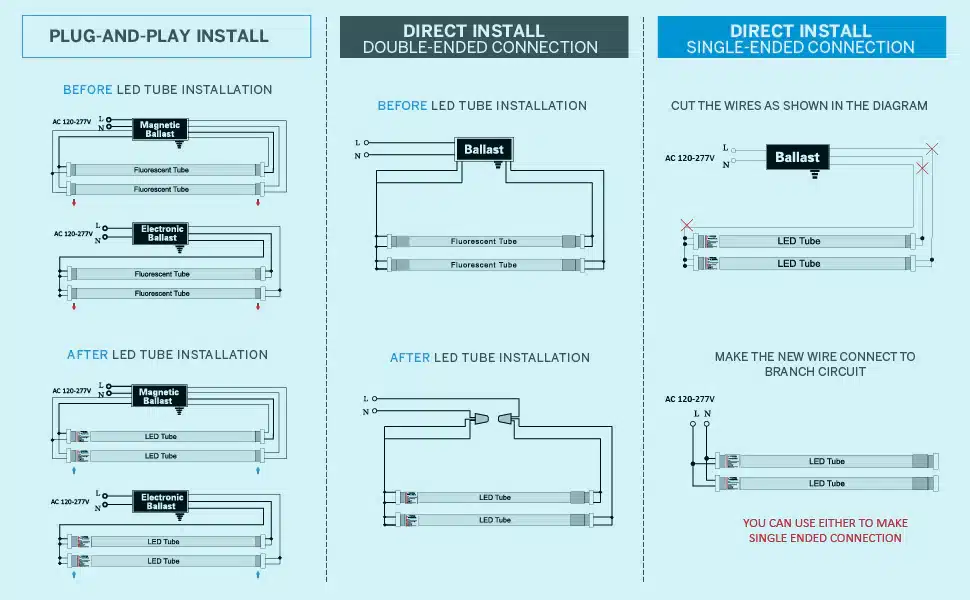
Plug-and-Play LED Tubes
These drop right in. No wiring changes needed.
Pros: Quick install. Works with existing ballasts. Ideal for beginners.
Cons: May face compatibility issues with old ballasts.
In commercial spaces, this method minimizes disruption. It’s seamless and efficient.
Ballast-Bypass Direct Wire Tubes
Remove the ballast. Wire directly to power.
Pros: Higher efficiency. Longer tube life.
Cons: Needs electrical know-how. Hire a pro if unsure.
This is popular in warehouses for max savings. It eliminates ballast failures.
Hybrid LED Tubes for Flexibility
These work both ways – with or without ballast.
Pros: Versatile. Easy to adapt.
Cons: Slightly pricier upfront.
Great for mixed setups. Transition smoothly without regrets.
Retrofit Kits for Fixtures
Upgrade internals without full replacement.
Pros: Cost-effective. Keeps your fixture look.
Cons: Requires tools and time.
LED professionals love this for custom fits. Check out our LED Rigid Strip Lights for similar linear options
Full Fixture Replacement
Swap the whole unit for a new LED one.
Pros: Modern features like dimming.
Cons: Higher cost.
Best for outdated systems. It future-proofs your lighting.
For more on LED innovations, visit LED Professional’s site. https://led-professional.com
LED Tube Sizes and Types Explained
Size matters in conversions. Match your old tubes for a perfect fit.
T8 LED Tubes: The Standard Choice
Diameter: 1 inch. Common lengths: 4 feet.
Efficient and bright. Suits offices and shops.
T5 LED Tubes: Compact Power
Smaller diameter: 5/8 inch. High output per size.
Perfect for tight spaces like cabinets.
当サイトをご覧ください LED Shelf Light Strips for related applications.
T12 LED Tubes: Phasing Out Old Tech
Larger 1.5-inch diameter. Less efficient.
Upgrade to slimmer LEDs for better performance.
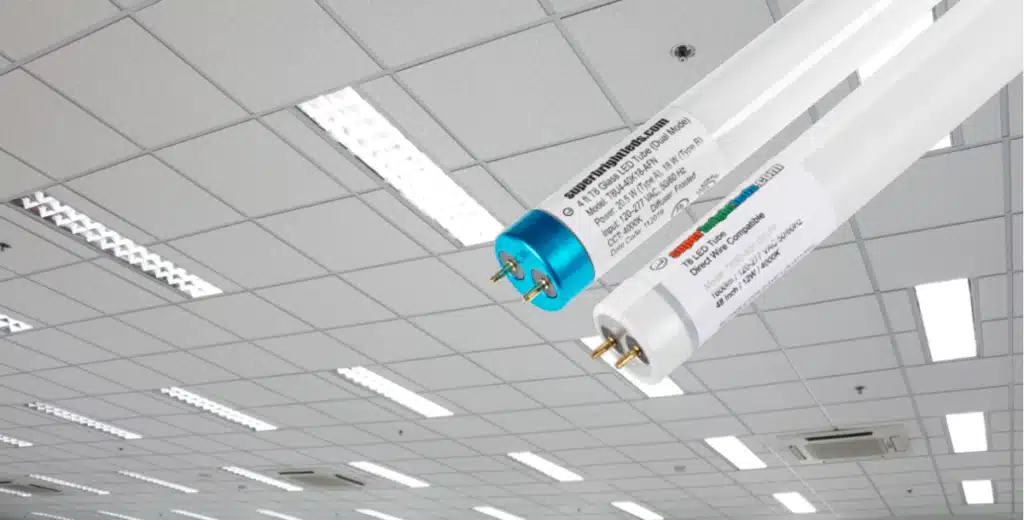
インストール手順ガイド
Safety first. Turn off power always.
Prep Your Space
Gather tools: screwdriver, wire cutters, voltage tester.
Remove old tubes carefully. Recycle them properly.
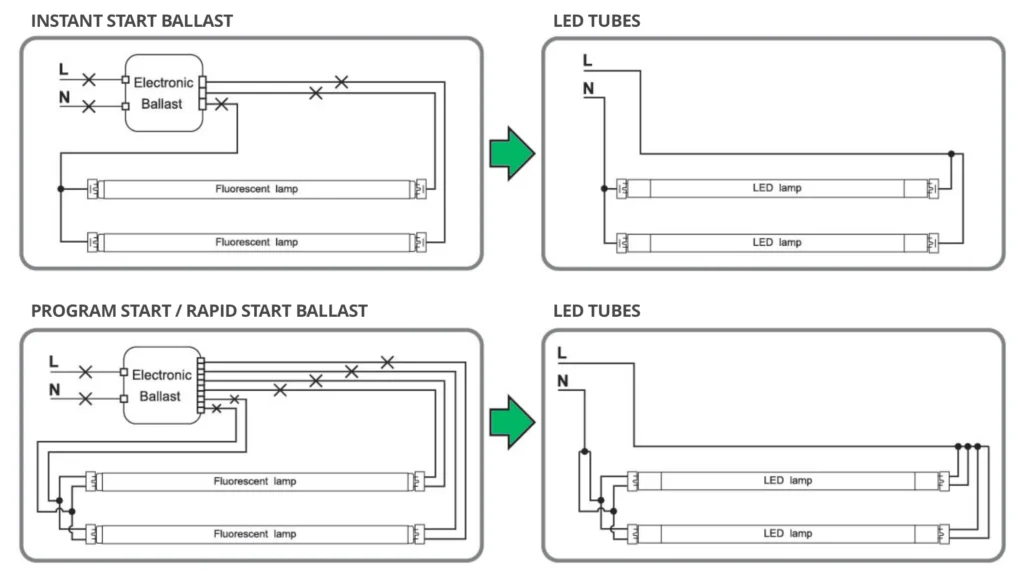
Handle the Ballast
For plug-and-play: Skip this.
For bypass: Cut wires. Remove ballast.
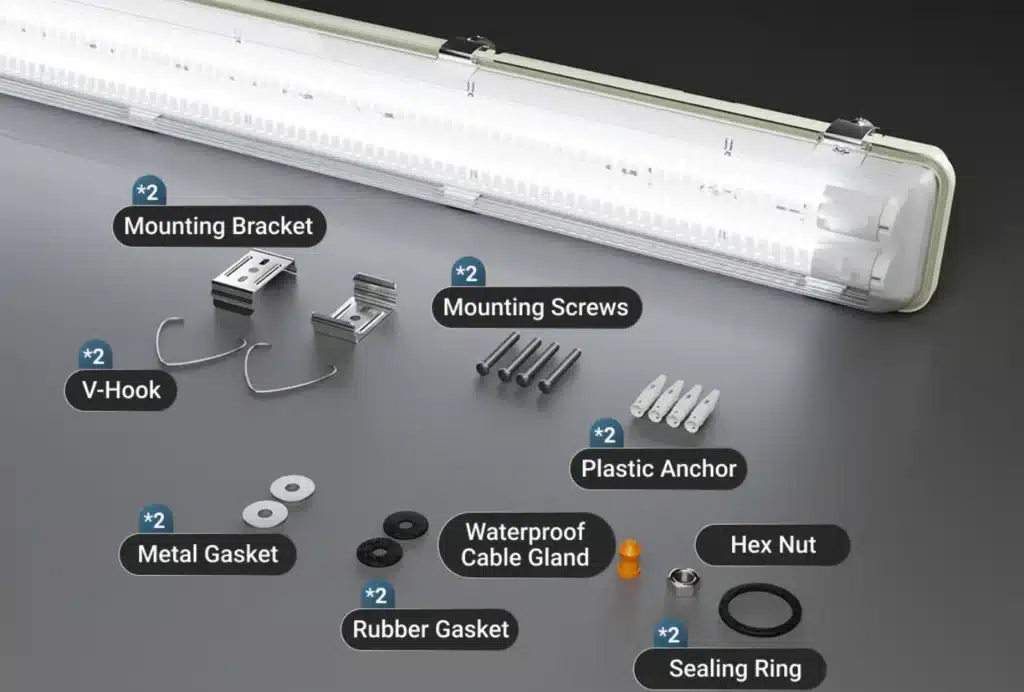
Wire and Connect
Follow tube instructions. Connect live and neutral.
Use wire nuts for secure joins.
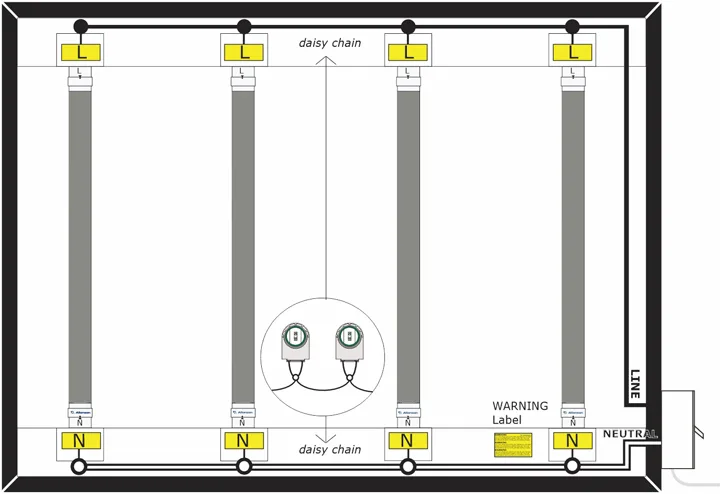
Install and Test
Insert LED tubes. Turn on power.
Check for even light. No flickers? Success!
See our channel’s video on LED strip installation: NPHIS YouTube.
Cost Savings and ROI Analysis
Upfront costs vary. But payback is fast.
Expect 50-80% energy cuts. Maintenance drops too.
For a 100-tube office: Save $500 yearly on power alone.
Long-term? LEDs pay for themselves in 1-2 years.
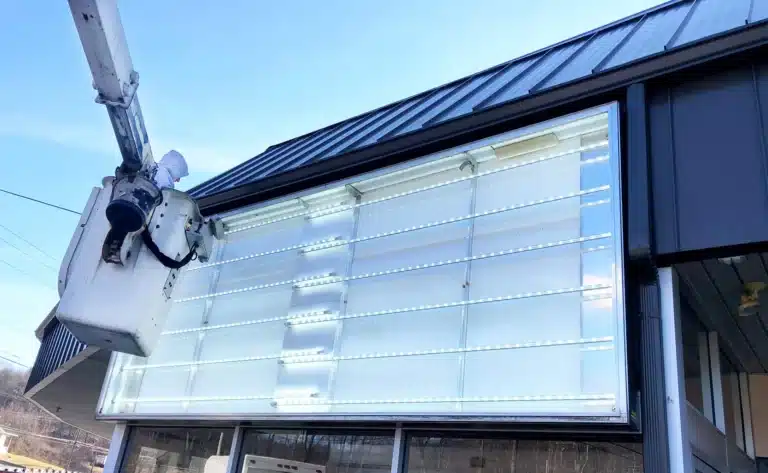
Troubleshooting LED Conversions
Issues happen. Here’s how to fix them.
Flickering? Check ballast compatibility.
Dim light? Verify wiring.
Overheat? Ensure good airflow.
Always consult experts for complex fixes.
よくある質問
What are the best LED tube replacements for fluorescent fixtures?
Plug-and-play or bypass types work great. Match sizes like T8 for easy swaps.
How to convert T8 fluorescent to LED without rewiring?
Use plug-and-play LED tubes. They fit existing ballasts seamlessly.
Do LED tubes save more energy than fluorescent?
Yes, up to 70%. They also last longer, cutting costs.
Is ballast bypass safe for LED conversions?
Absolutely, if done right. It boosts efficiency and reliability.
What color temperature is ideal for office LED tubes?
4000K-5000K for cool, productive light.
Can I use LED tubes in cold environments?
Yes, LEDs perform well in extremes, unlike fluorescents.
How long do LED tubes last compared to fluorescent?
LEDs: 50,000 hours. Fluorescents: 15,000 hours max.
Are there mercury-free options for LED tube conversions?
All LEDs are mercury-free. Eco-safe choice.
What's the ROI for switching warehouse fluorescents to LEDs?
Often 1-2 years. Energy and maintenance savings add up quick.
Where to buy quality LED strips for similar upgrades?
Check NPHIS LED for reliable products like rigid strips.
私がこれを書く理由
私のビジネスについて
当社の主力製品は、LEDフレキシブルライトストリップ、リジッドライトストリップ、リニアライト器具などであり、これらはすべて自社工場、または長年にわたり協力関係にある工場で製造されています。.
当社のサービス
当社製品は主に中級から高級品で、欧米に輸出しています。OEMおよびODMの小ロット注文も承っており、海外のお客様の課題解決を支援するため、中国での調達サービスも提供しています。調達に関するサポートが必要な場合は、お気軽にお問い合わせください。.
関連記事
顧客からの推薦の声
ここでは、当社が提携しているブランドを誇りを持ってご紹介します。.






無料見積もりを依頼する
ご質問やご提案がございましたら、メッセージをお送りください。できる限り迅速にご返信いたします。